Power Rangers: Wild Force Hits Bottom
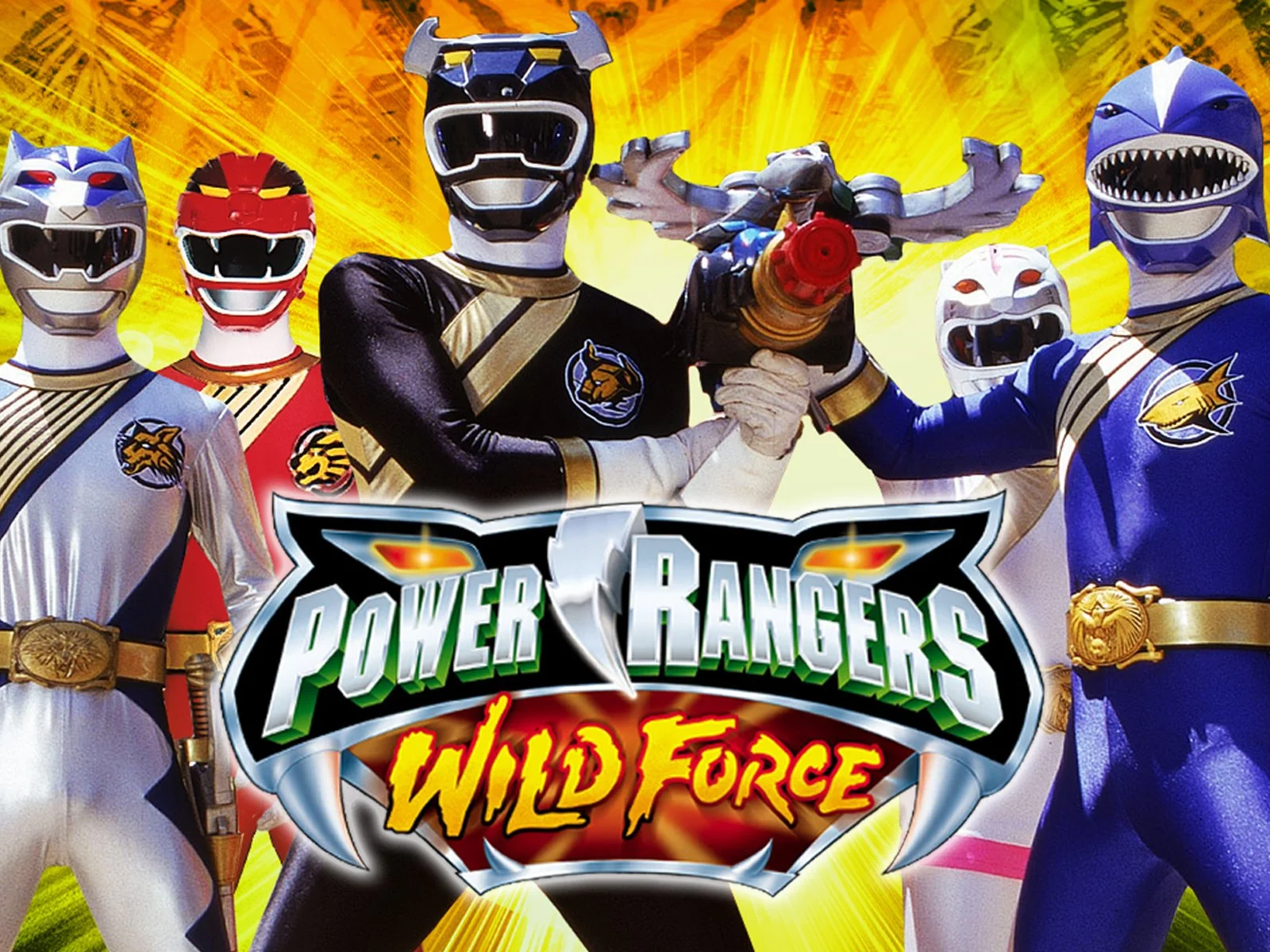
When I originally began writing this post, I thought it was going to be about how 2001’s Time Force was the worst season of Power Rangers I had ever seen. But then, while I was still writing up an early draft of my thoughts, I went ahead and started watching 2002’s Wild Force. From the very first episode, it was clear that I had vastly underestimated just how bad the show could possibly be. It is so much worse than Time Force, and by extension all of its predecessors, on almost every conceivable level. The writing, characters, directing, choreography, costuming, special effects—all of these things and more are flagrantly inferior to anything seen before Wild Force.
Firstly, it can not be overstated how cheap and lazy every facet of the production looks. Creative budgeting and clever cost-cutting are just as much a part of Power Rangers’ DNA as monsters fighting giant robots. The show just doesn’t work without it. Producer Haim Saban had found a brilliantly profitable formula for churning out children’s entertainment. License a popular Japanese TV show (Super Sentai in this case), replace the cast with attractive American (and later Australian) teenagers, but recycle all of the original action footage where the characters are in costume. Technically, they were only making half a show, which was what made such a low-budget hit into an insanely lucrative franchise that has endured over the decades despite a wide variance of quality between each installment. Once Saban discovered that he could replace the beloved first cast with new young actors that were less expensive (and also less talented) without losing the ratings or fans, the race to the bottom of the budget bucket accelerated exponentially.
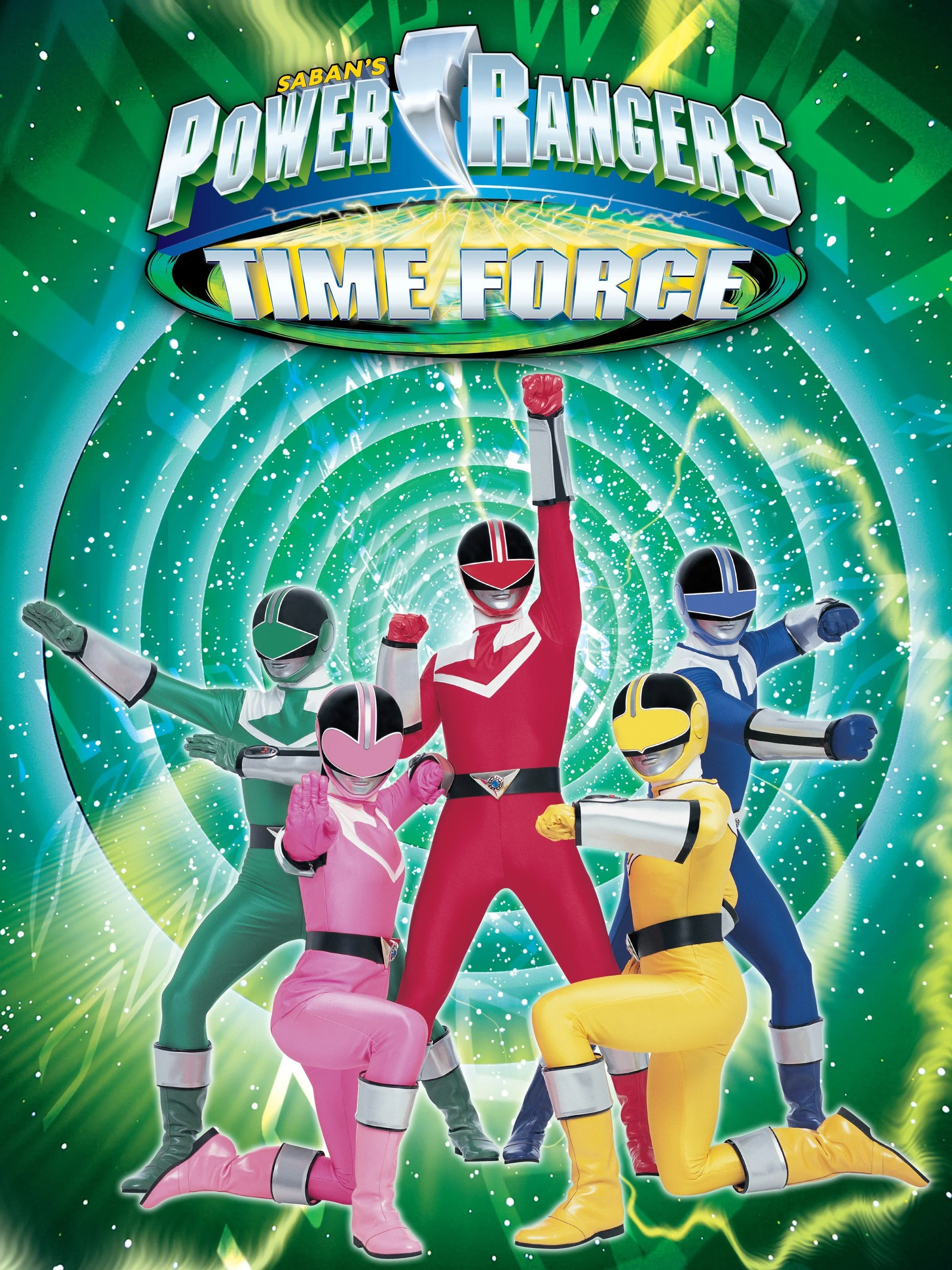
But it wasn’t just the acting that declined in quality—all of the choreography and stunts suffered cutbacks as well. You see, all of the actors from the first season of Power Rangers were martial artists, gymnasts, or dancers. Walt Jones was all three! I’ll never understand how that guy managed to avoid becoming a huge star. And while acting has never been the priority on any children’s television, the original cast were at least able to convincingly play human teenagers. While most of the big battles are just footage of Japanese stuntmen in costume, there were also scenes where the teenagers with attitude would fight evil henchmen in their street clothes. But all of those elements were gradually whittled away with each new rotation, until we finally arrived at what I thought was the bottom: Time Force. This cast all gave performances so wooden they were frequently upstaged by the background. Most of them had no physical training—one was a dancer, and while the other was a kickboxer, he was cast as the nerdy tech support character who rarely fights. Which meant there was a ton of screen time where nothing of interest was happening. Our heroes were just as dull whether they were talking or fighting. But this, and every other criticism I have of Time Force, is so much worse in the very next season.
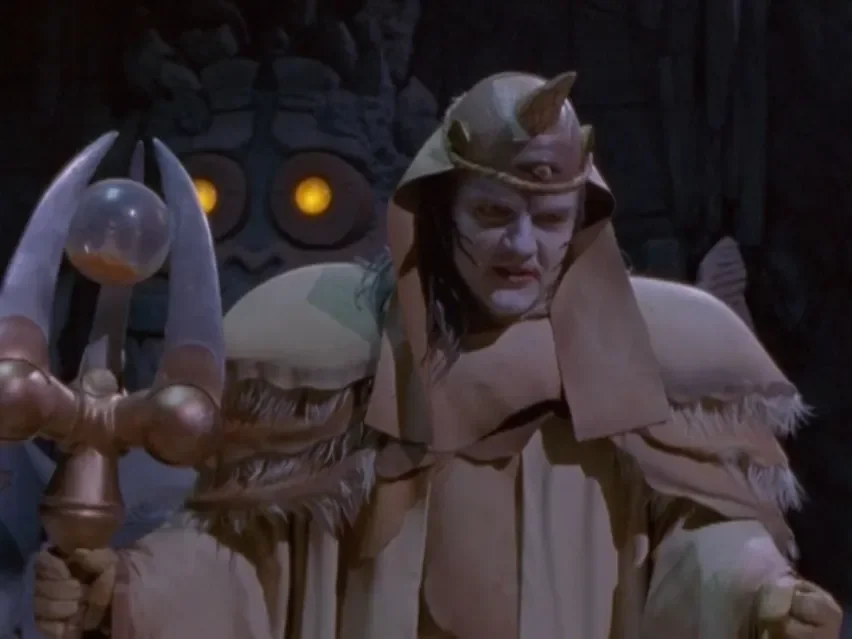
Wild Force looks low-budget even by high school drama club standards. The Rangers’ mentor for this season, Princess Shayla of Animaria, is wrapped in a white sheet with plastic flowers in her hair. It bears a striking resemblance to the angel costume my little sister wore in the church Christmas pageant when she was five. It just needs a little set of wings. The only one dressed more cheaply than the Princess is the main villain, Master Org. He is wearing some kind of sheer beige robe with giant shoulder pads that have frills. Not only is it ugly and evocative of nothing in particular, it looks like his grandma sewed him a Halloween costume out of her old drapes. No matter how much he yells and growls, Master Org can never be intimidating nor entertaining when he’s dressed like that.
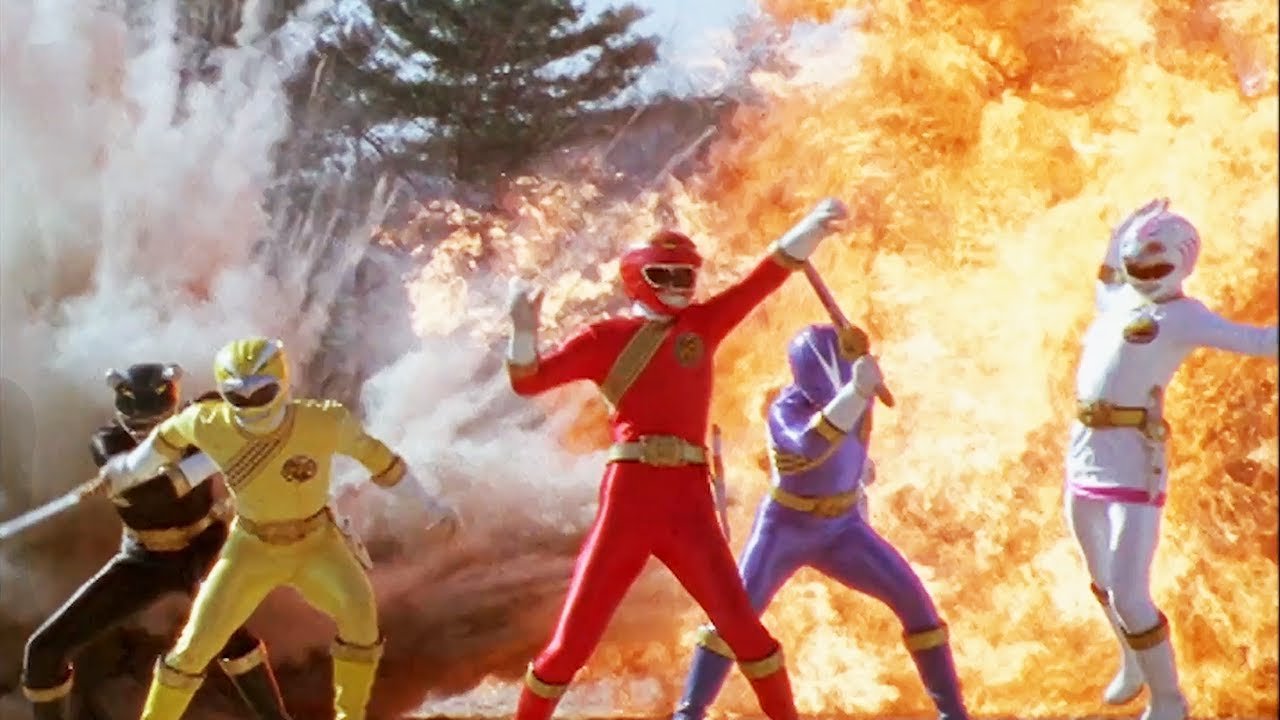
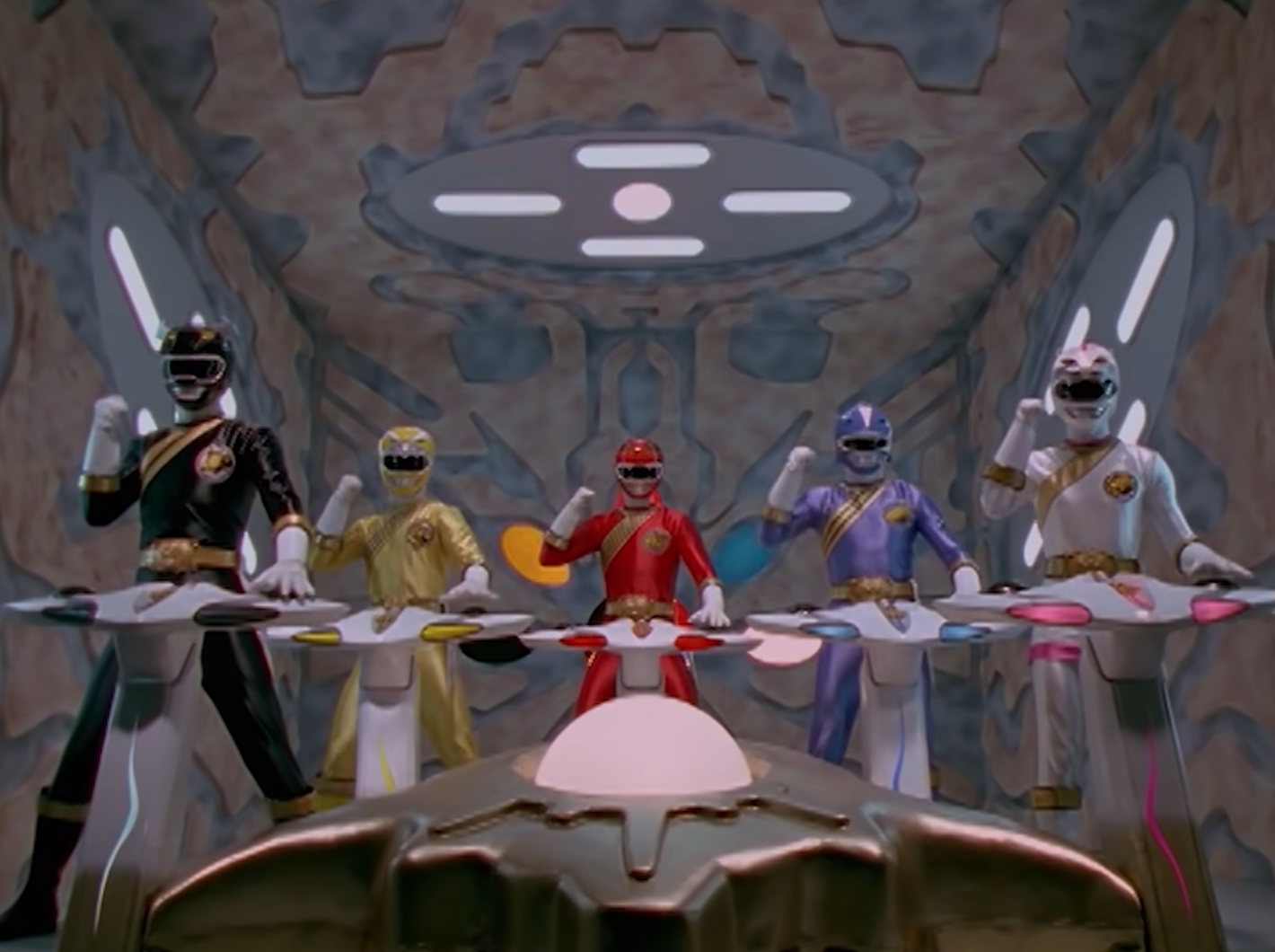
With such a flat and uninteresting villain to oppose, the Wild Force Rangers feel more like plastic action figures than characters. Seriously, these actors speak like they were recruited from their first acting class. To be fair, the dialogue they are given is garbage, but every actor is so one note that its impossible to tell the characters apart, or even care when they are imperiled. One of this season’s most annoying habits is the overuse of reaction shots—specifically the single nod of acknowledgement. Whenever something noteworthy happens to our heroes, the camera goes around getting closeup nods from ALL FIVE OF THEM. Every. Single. Time. Yes, multiple times an episode. Of the roughly 10% of Wild Force that isn’t taken up by lengthy morphing sequences and kaiju combat, at least a quarter of that is just footage of the Rangers smiling and nodding at each other. Even a child would find this tedious. This is also the first time that the Zords were completely CG, which means they look like they were rendered on a refurbished PS2. I’m sure the effects looked great at the time, but they really don’t hold up in 2026, where even an idle game on your phone has better graphics.
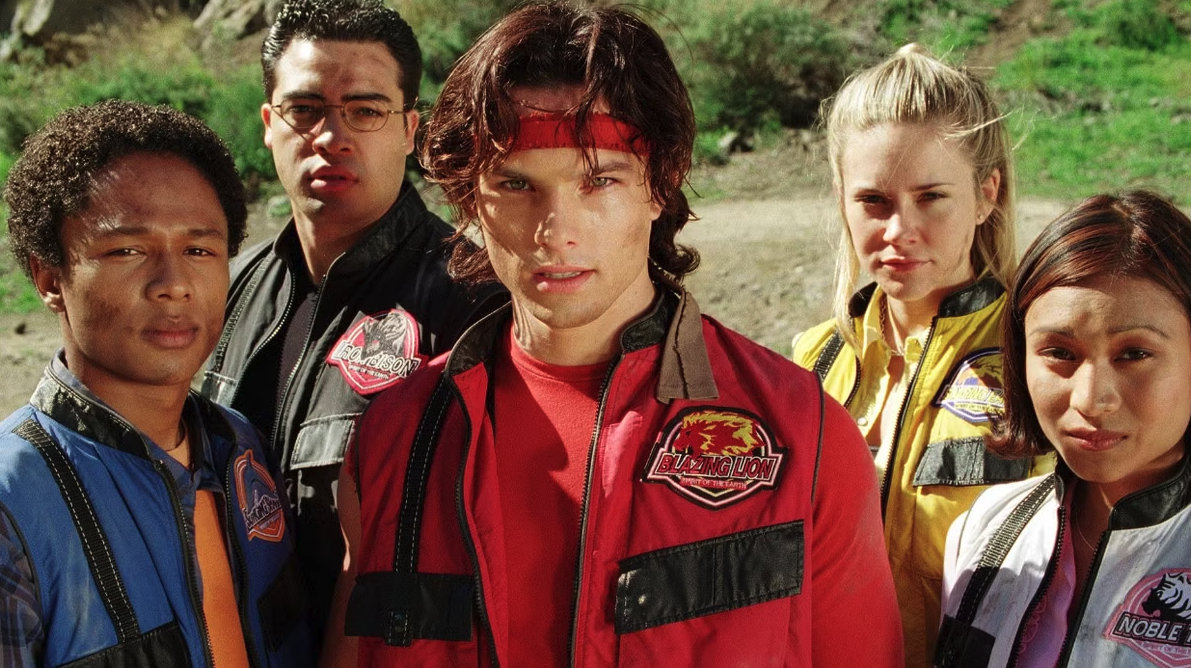
Another first for the series: no one in the cast had any martial arts or similar training. At least, none that shows up anywhere. Combat choreography on Wild Force was slow and simple to match the actors’ limited physical abilities, and the increased use of poorly-concealed stunt performers for the out-of-costume fights only made the cast’s shortcomings as actors all the more glaring. This could have been forgiven if they were at least funny or charming in the wide open spaces left between their lines, but they contributed nothing to a show that was ultimately the sum of its parts: nothing. Over the course of this season, nothing is learned, gained, or lost. The world is ultimately returned to the status quo, and the characters are utterly unchanged by it as the show stubbornly resists all attempts at a story. In the first half of the big two-part finale, the Rangers lose everything—all of their Zords and the crystals that give them their powers are destroyed. It is a common scenario faced by many Power Ranger teams entering season finale territory. At their lowest point, our heroes must find a way to persevere.
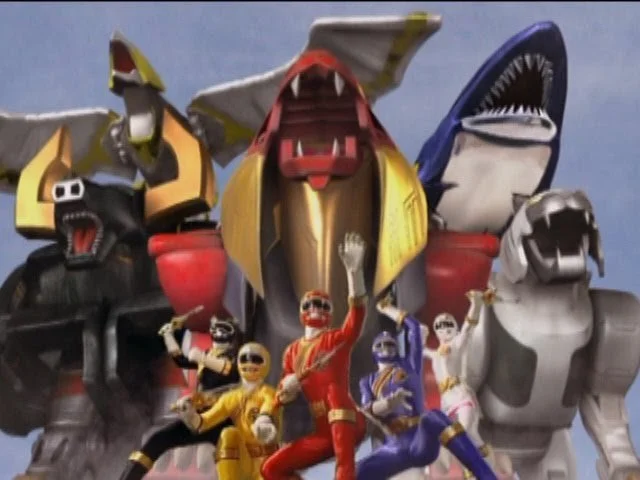
So how do the Wild Force Rangers meet this ultimate challenge? Do they dig deep to find untapped reserves of inner strength? Will they acquire new powers, or build new Zords? Maybe they clap their hands really fast to prove they believe in the power of friendship? Or do they stand against evil powerless, and take a beating so heroic that it inspires the people to rise up against the villain? No. None of that happens. The answer is somehow even dumber—all of the weapons and powers the Rangers lost just… come back. That’s it. No repairs, no special tech or magic, no quest to restore what was lost. Our heroes didn’t do anything to cause this. All of their gear just returns out of nowhere, some of it literally falling from the sky, and it’s all good. The Rangers morph it up, make a Megazord or two, and clean Master Org’s clock. Roll credits. Despite technically being a happy ending, that’s a real frustrating conclusion to an already boring story, as well as an insult to the audience’s intelligence. Plus, can you imagine how aggravated previous generations of rangers would be to learn that at their most hopeless point, when they thought all was lost and the universe was doomed, all they had to do was wait for everything to come back? Just strike your poses and shout nonsense for another three minutes, and everything you need to win will literally fall at your feet. Seriously? At least send the Wild Force Rangers to search for an eccentric ninja genius in the jungle or something. Instead they get to take on the final boss once again at full power, like they just dropped another quarter in the arcade machine. Of course the Rangers win this time. Turns out all they needed to achieve victory was a continue. And thus, Wild Force ends with the most egregious deus ex machina seen since the Greeks invented theater.
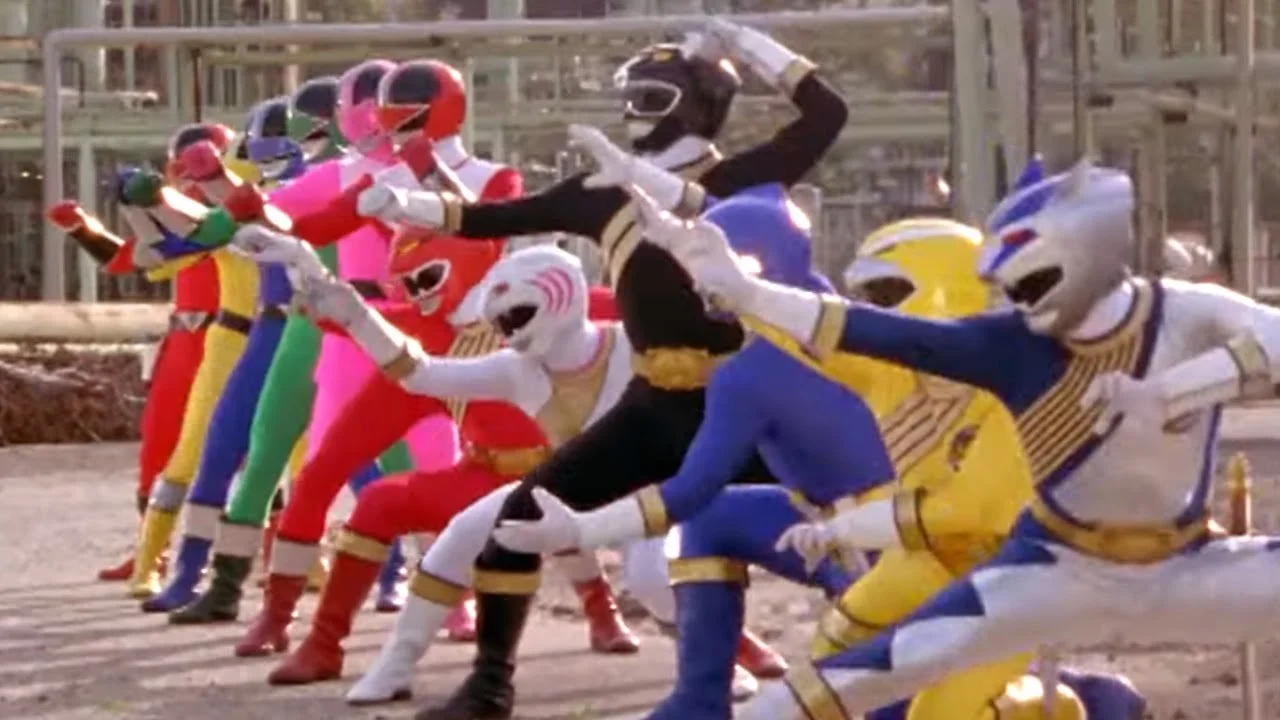
Fortunately, it seems like the powers that be learned the right lessons from the many failures of Wild Force. The first few episodes of 2003’s Ninja Storm are a huge step in the right direction, with much better choreography and more clearly defined characters (played by better actors) than the previous two installments of the franchise. It would be difficult, but clearly not impossible, to do worse.
Thanks for reading. And hey, if you like Power Rangers and are in the mood for another story full of aliens, robots, cyborgs, sci-fi swords and superpowers, you can find all of that and more in the novel Razorgirl.