Beginner’s Bond: The Timothy Dalton Experiment
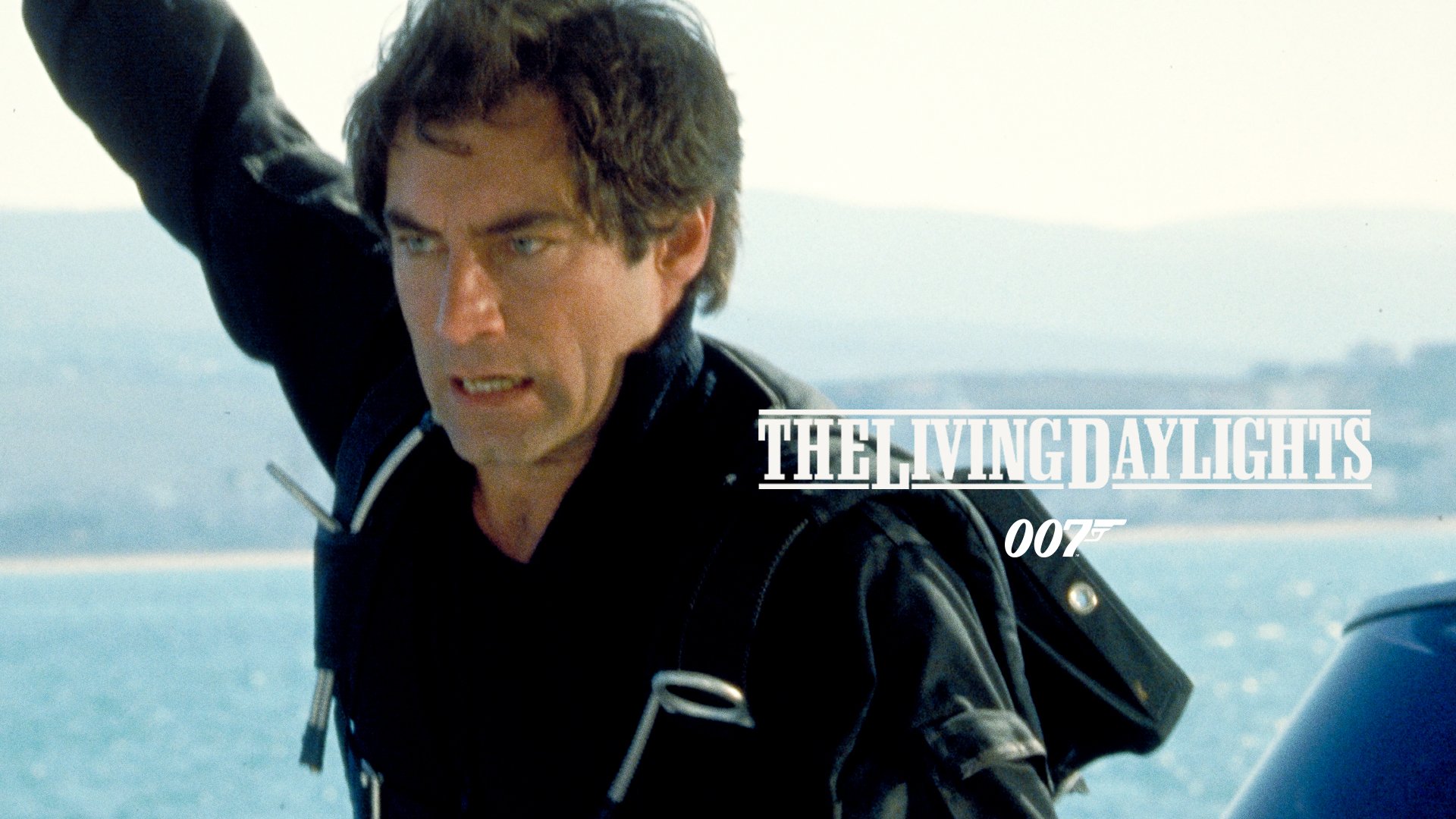
The “Beginner’s Bond” series of posts follows my journey to close the largest gap in my personal film knowledge: the James Bond franchise. I am watching all of the movies (mostly) in order for the very first time and sharing my reactions. After 1985’s A View To A Kill concluded Roger Moore’s tenure in the tuxedo, it was time to pass the torch to a younger actor. Timothy Dalton took over in 1987’s The Living Daylights, and returned for Licence to Kill in 1989.
Although Timothy Dalton is one of the finest British actors of our day, he only played James Bond for two movies with terrible scripts, and thus his version of the character failed to distinguish itself from its predecessors in any positive ways. Since both The Living Daylights and License to Kill were bad in the exact same way, I’ve decided to roll them both up into one post.
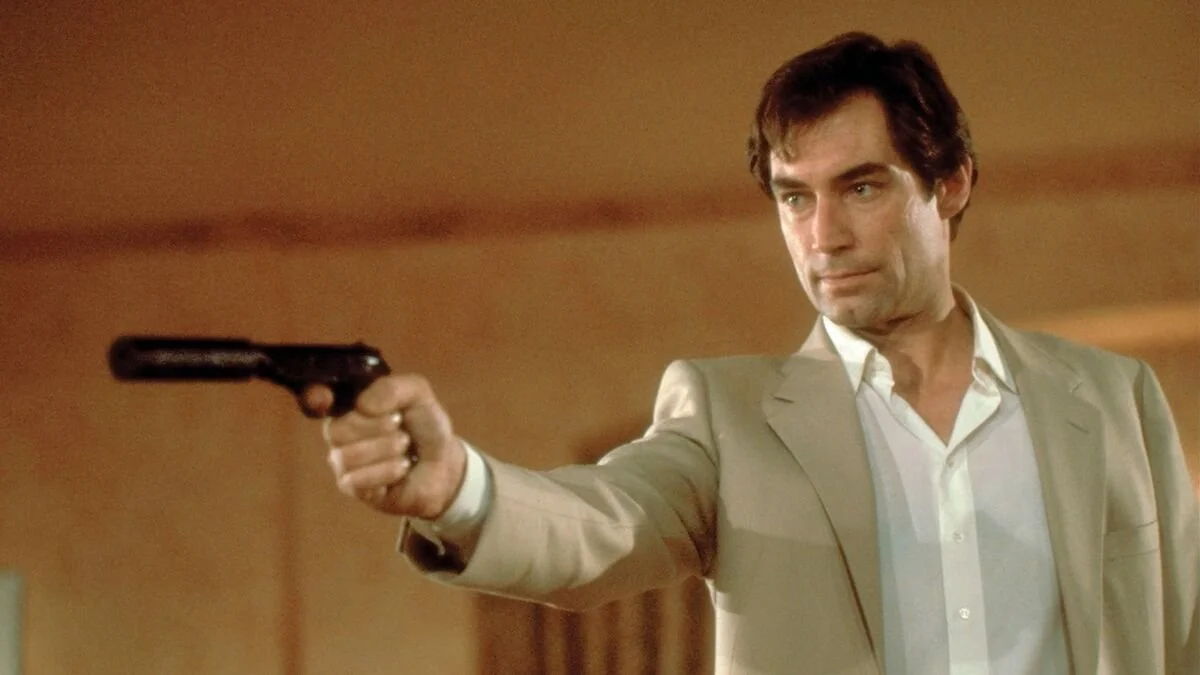
The cold open of The Living Daylights has Bond and fellow agents 004 and 002 participating in a training exercise when an assassin disguised as a fellow participant kills several British agents and military personnel. That idea was interesting enough for an entire movie, but that’s just the first ten minutes of TLD. After taking out the assassin, Mr. Bond falls onto the yacht of a beautiful scantily clad woman who was literally crying out for a “real man” to fall out of the sky, and he seems barely interested. He makes a half-hearted quip, but I’ve never seen a James Bond less enthused by the prospect of spending time alone with a woman who is equal parts gorgeous and horny. That’s the real problem with this movie—James Bond isn’t having any fun. While he has always been depicted as devout in his duty, 007 also has a really good time getting drunk and laid while traveling the world on a government-sanctioned murder spree. But here the quips are flat and lame, and Mr. Dalton always looks so very serious. This version of 007 takes no pleasure in his work, which makes it that much harder to enjoy watching him do it. And it removes a great deal of the character’s charm.
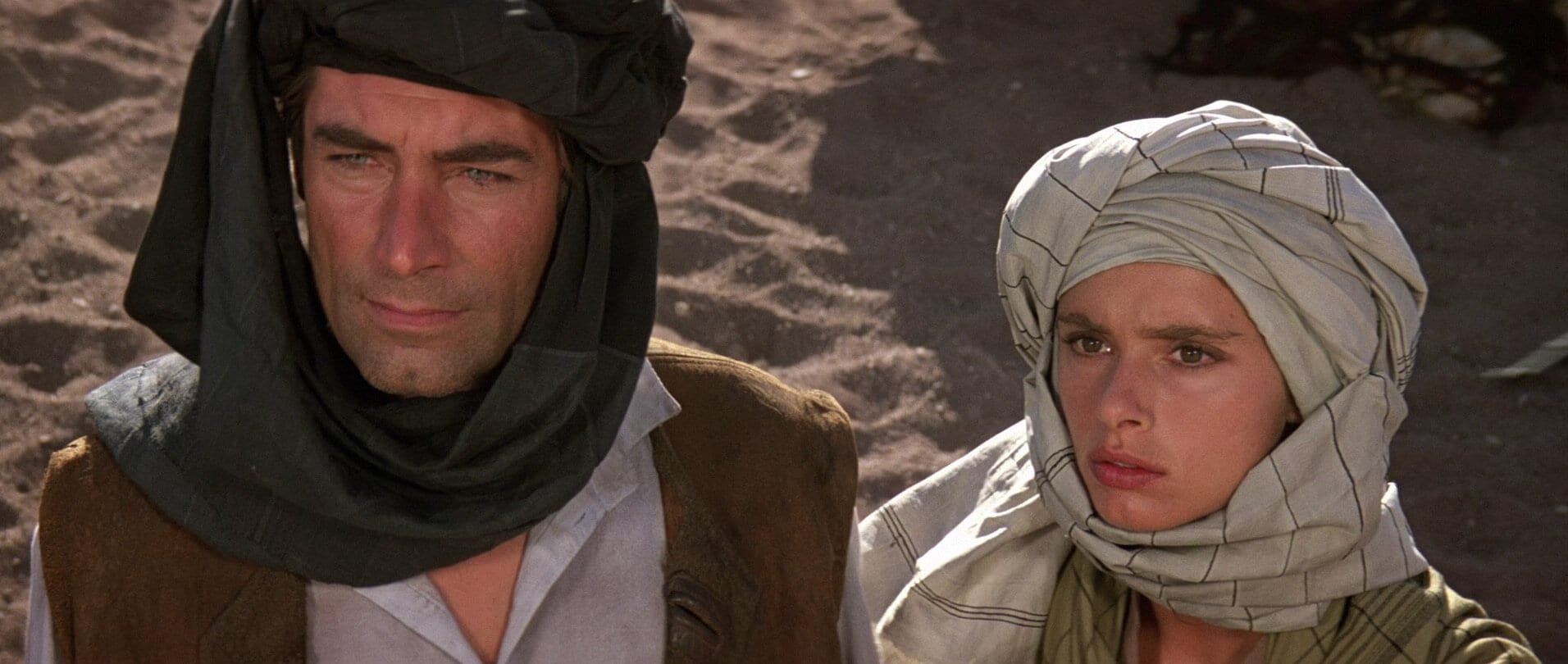
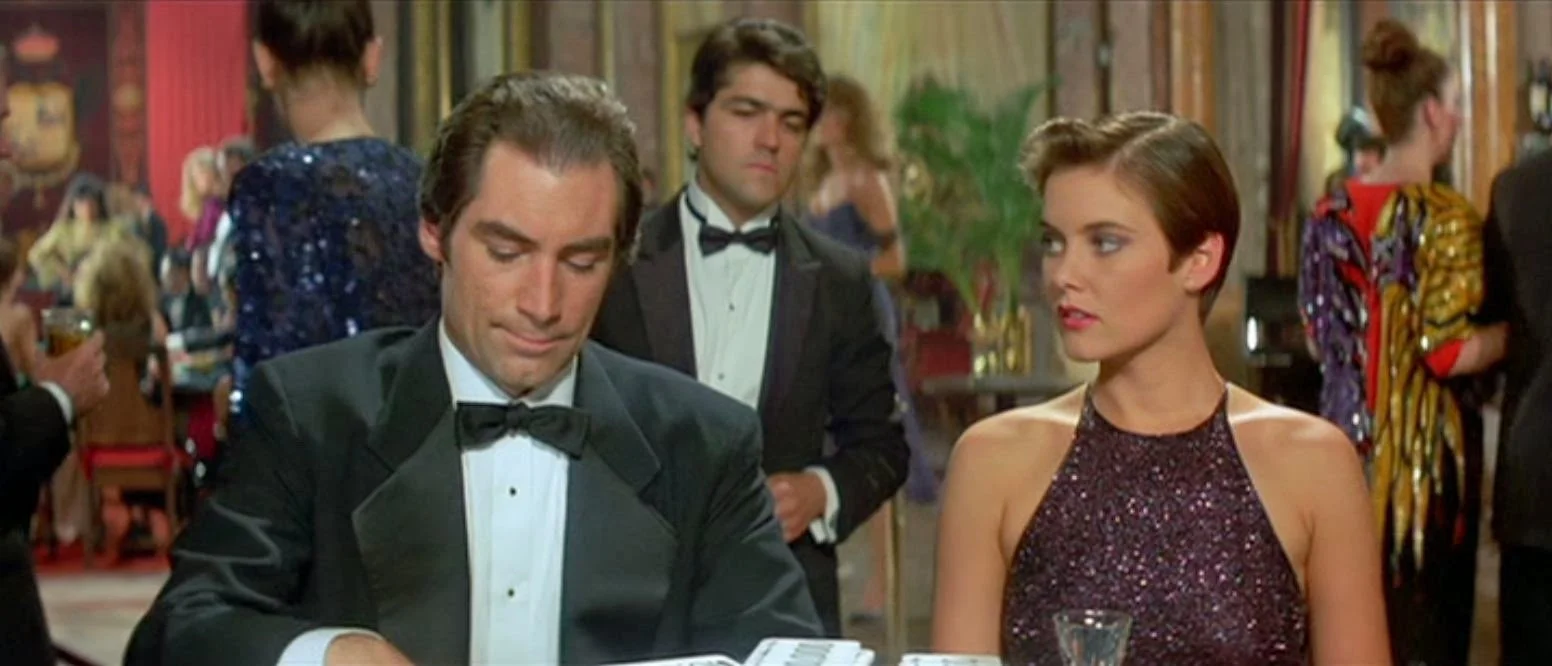
Dalton was also paired with one of the worst Bond girls I’ve seen yet—Kara Milovy is nothing but a tedious burden the entire time, an albatross hanging around 007’s neck. She has zero agency, being passed back and forth between captors and rescuers like a football for most of the movie. When she is with Bond, she is not only completely unhelpful, but an active hindrance to the mission and a threat to her own safety. While a few Bond girls of the past were walking liabilities, they balanced it out by at least being funny, like when the air-headed Mary Goodnight accidentally hits the self-destruct switch with her butt. Kara is nothing but a needless nuisance, since ultimately her cello is more important to the plot than the woman who plays it.
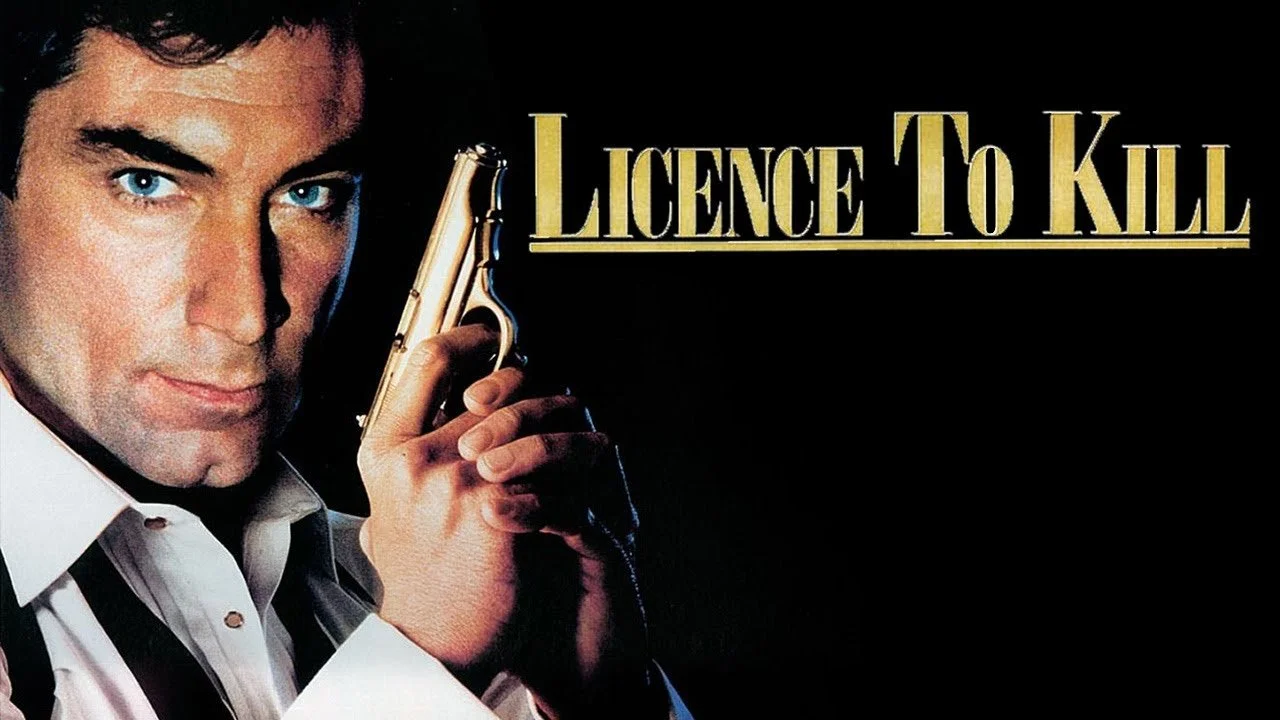
Licence to Kill has an interesting premise: 007 resigns from MI6 in order to seek revenge upon the Colombian drug lord that killed his friend. The idea of James Bond operating off the reservation, on a personal vendetta without the support of his government, is intriguing. But this movie almost immediately ejects that notion. James still has access to plenty of weapons and intel, and Q even shows up to provide gadgets. So Mr. Bond isn’t really off on a solo revenge quest all by himself. There is no functional difference to the movie. We’ve also seen 007 pursuing personal vengeance before with Blofeld, so LTK doesn’t provide any of the interesting twists promised by the premise. It’s just another action thriller not doing anything terribly original.
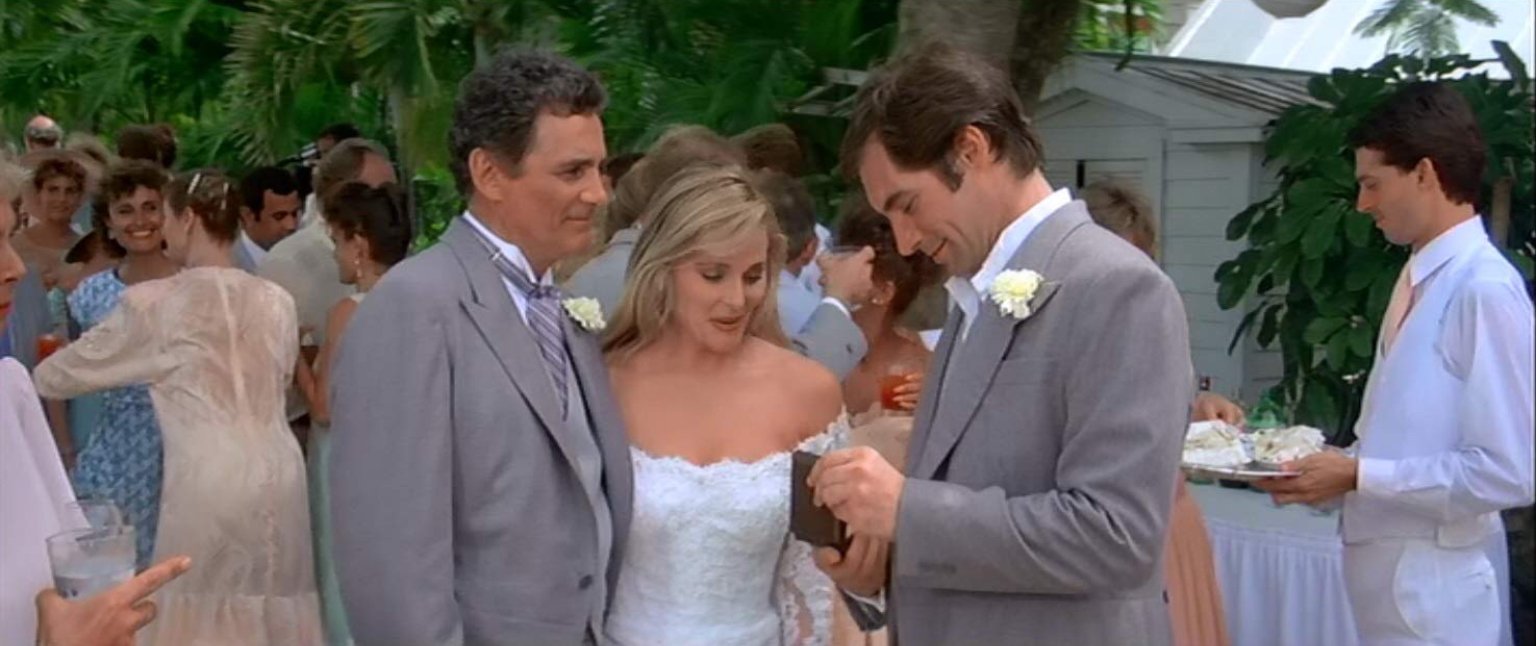
Most confusing of all is that LTK has no idea how time works. It opens with Bond and his old CIA pal Felix Leiter on their way to Leiter’s wedding. They get picked up by a chopper en route because Franz Sanchez, the big drug lord Felix has been trying to put away, is in Florida. So they fly down to the Keys and engage in a long gunfight and chase sequence with Sanchez’s men before capturing the kingpin. The chopper drops James and Felix off at the wedding, which is still going on. The bride expresses her relief that the groom was “only a few hours late.” In the meantime, Sanchez is interrogated and prepped for transfer to prison. The transport carrying him is ambushed and Sanchez’s men orchestrate a complex underwater escape for their boss. Sanchez goes back to his house for a change of clothes and a cigar before setting out to take his revenge on Felix Leiter. Somehow he gets the home address of a CIA agent, so he and his men go over and find the happy couple still in full wedding dress, just about to call it a night. Which means this whole convoluted mess, from capture to escape to revenge, happens over the course of a few hours. Not even a whole day!
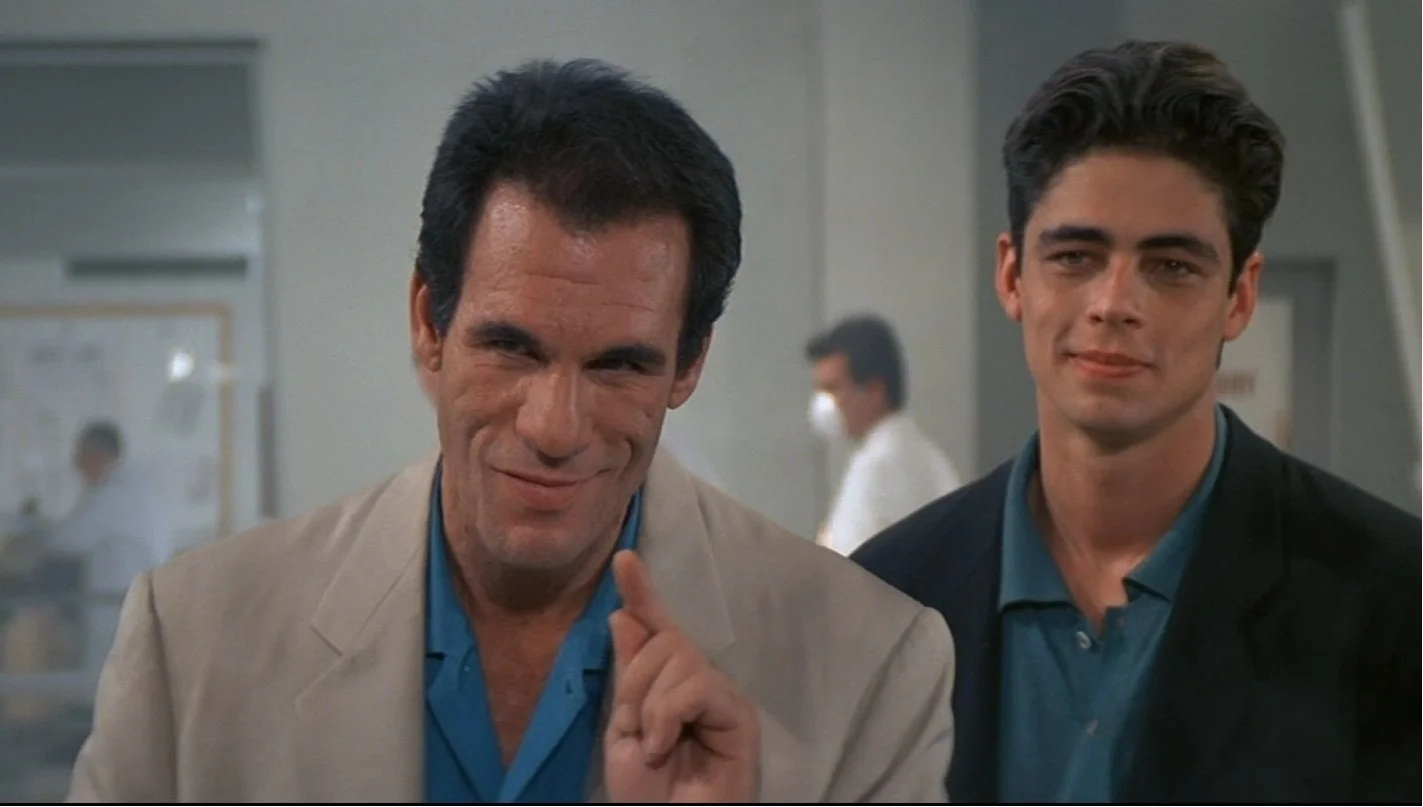
I don’t think Timothy Dalton was a bad James Bond. It just feels like he’s doing a completely different movie than everyone else involved. If Sean Connery’s Bond was the killer in gentleman’s clothing, and Roger Moore’s was a cartoon, then Timothy Dalton’s version is a Shakespearean tragedy. The very things that make James Bond entertaining to watch—the drinking, gambling, sex and violence—are also slowly destroying him. He is not the carefree killer playboy we’ve come to know over the last fifteen films, but rather a tortured assassin who often finds his conscience at odds with his duty. The movies try to split the difference between the classic camp and modern melodrama, and end up doing neither very well. No matter how sternly Mr. Dalton frowns, a chase down a snowy mountain (Number Five for the series!) using a cello case for a sled is just silly. You can’t take him seriously when he’s driving a car with lasers mounted in the hubcaps, because the world of this film is inherently ridiculous. It’s like an actor shouting Hamlet in the middle of a three-ring circus. The gravitas is lost beneath a cavalcade of clowns.
TLD and LTK are decent as generic espionage action thrillers of the 1980s, there’s little about them that is uniquely “James Bond.” No more gadgets, no silly names, no superhuman henchmen—no fun of any kind! By trying so hard to be “grounded and dramatic,” the filmmakers produced two really bland movies that vanish from memory as soon as the credits roll. These films aren’t bad, but they simply can’t stand toe-to-toe with the barrage of excellent action flicks that released in the same time period.
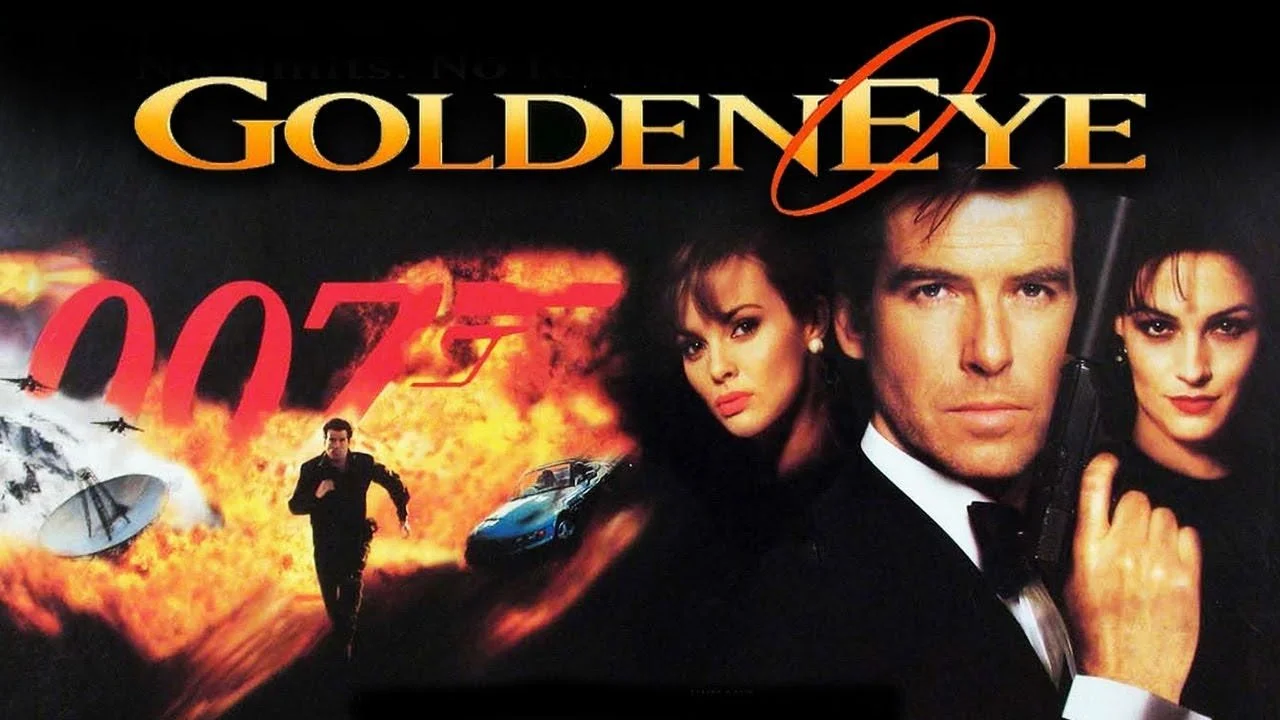
Up next on “Beginner’s Bond,” the movie that first introduced me to James Bond: 1995’s GoldenEye. I remember it being pretty good. Here’s hoping it holds up 30 years later.
For another tale of a man losing himself on a revenge quest, read the novel A Tale of Two Guns.