Power Rangers Megaforce: Pioneers of Product Placement
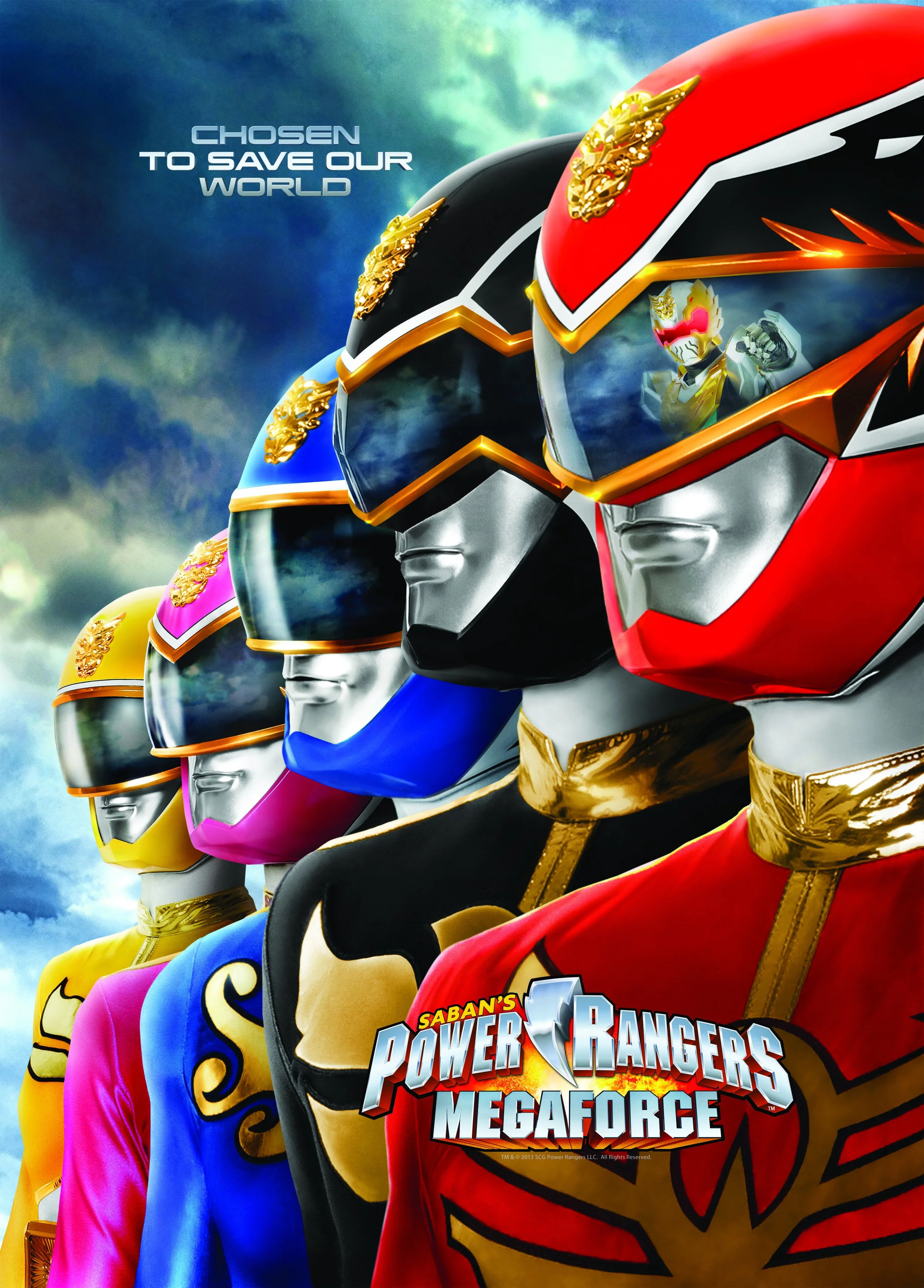
The Power Rangers have been exploding on televisions for over thirty years now, and are still going strong. It doesn’t even matter if the show is any good (a rarity). The primary purpose of this colorful team of super teens who pilot giant robots is to push plastic to kids. And it’s one of, if not the best, in the game.
This show never really needed to chase ratings because it sold toys by the boatload. There were morphers, power coins, blasters, melee weapons of every classification imaginable (as well as a few made up), and a truly staggering variety of swords. Then you add in all the vehicles and robots, not to mention the legions of bad guys—its enough volume to make Queen Barbie herself break a sweat. The Power Rangers franchise isn’t just “good” at product placement. Even “brilliant” would be an absurd understatement. It has been actively pushing the boundaries of what is possible in the most commercial of art forms since the very beginning.
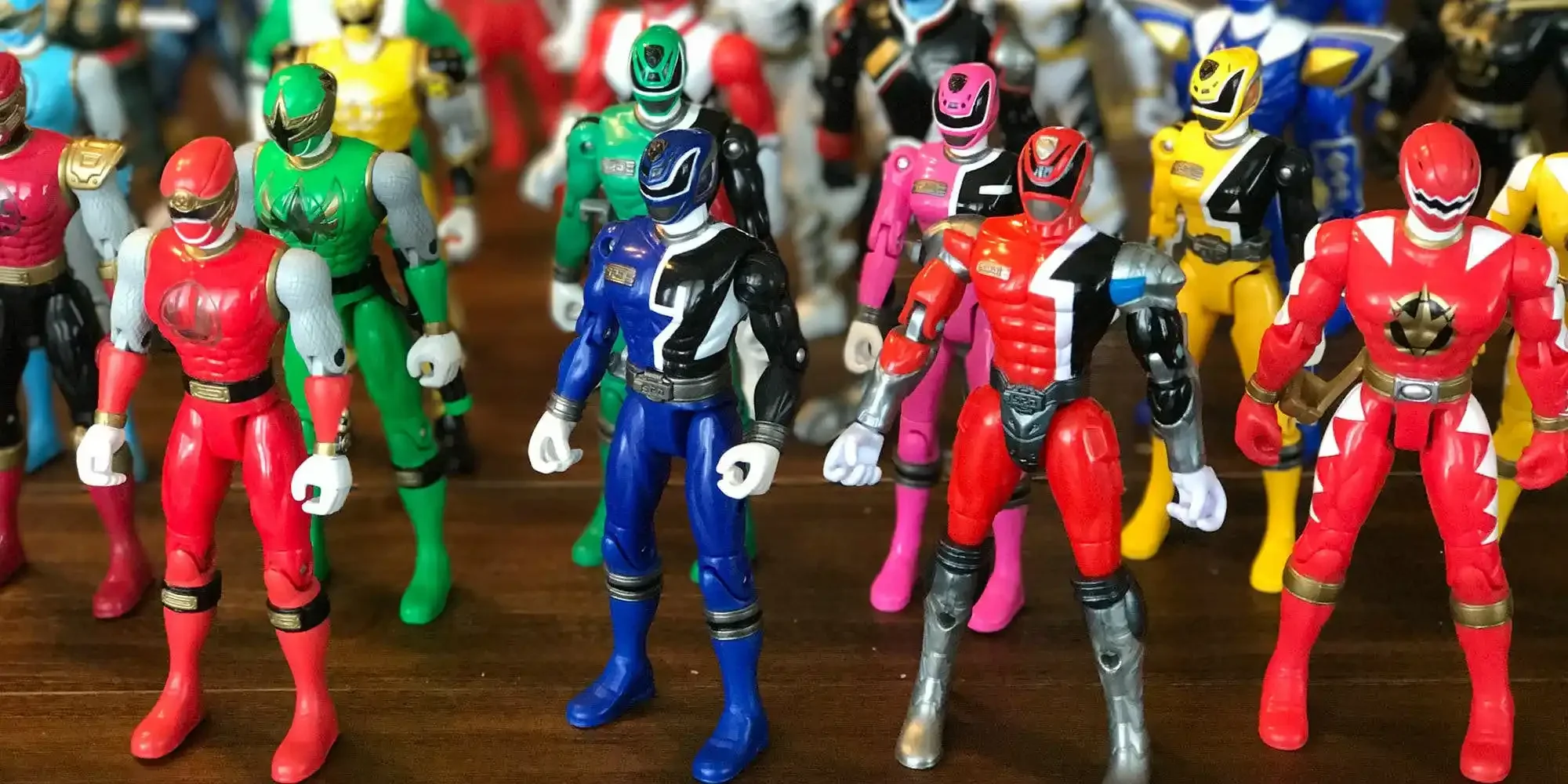
A plastic version of practically every piece of gear a Ranger touched was available at the nearest toy store. They were similar enough that the production crew would often sub in actual retail toys on camera when certain props were unavailable. But by the time we get to Power Rangers In Space, the practice of prop-making has been all but abandoned. Starting with that show, the Rangers have been using the exact same toys kids will find on the shelves. Which of course makes them all the more desirable. Today’s fans won’t have to face the disappointment of unboxing a rubber Power Sword that looks nothing like the one wielded by the Red Ranger. After In Space, you could buy exactly what your favorite hero was using on TV, further reinforcing your attachment to the franchise. Kids didn’t have to settle for a crappy home version when it came to the Power Rangers arsenal. Replacing all of the props with toys was inspired thinking. Right up there with giving each Ranger two zords, and sometimes even three. It seemed there was no way to fit more toys into an episode.
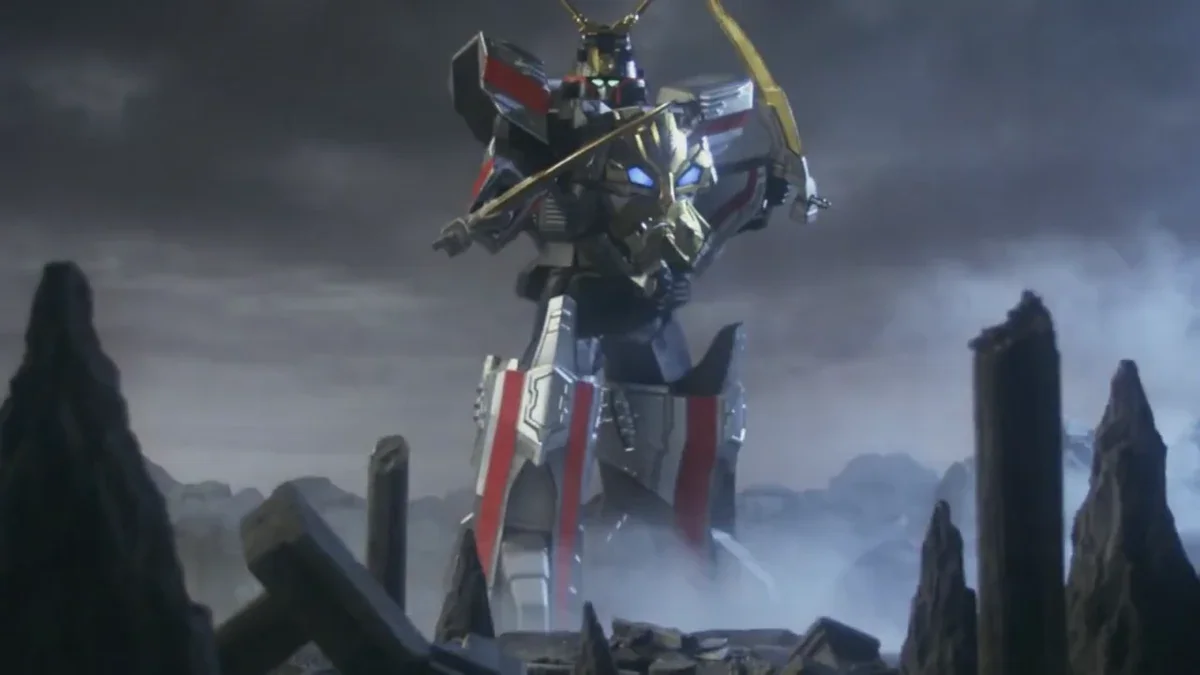
Until Super Megaforce. It’s almost like they saved this visionary breakthrough as a special surprise just for the twentieth anniversary of the show. The inside of the heroes’ headquarters is lined with shelves displaying action figures from every generation of Power Rangers, from Samurai all the way back to Mighty Morphin’. Now most of you are probably nodding your head and thinking how that is a rather clever way to showcase the toys. Well, you can knock it off, because I haven’t gotten to the clever part yet.
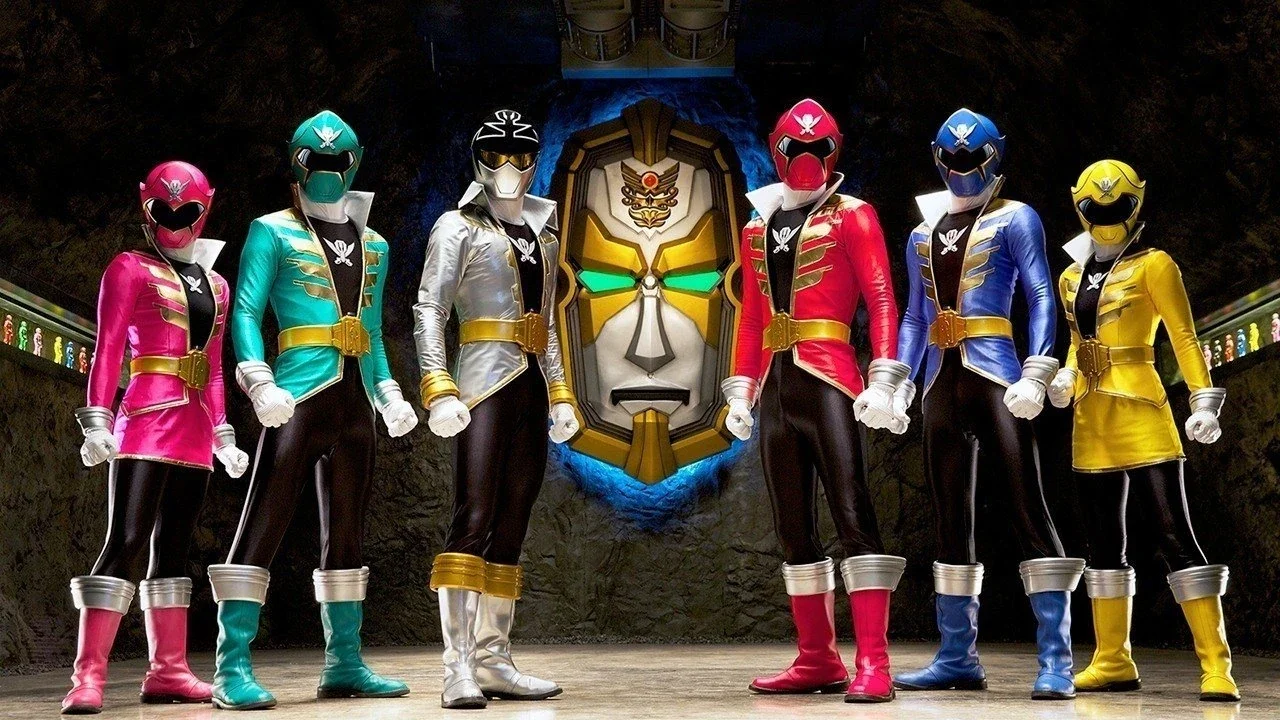
Those action figures are not just decorations on display. No, those toys are an integral part of the Megaforce Rangers’ gear. Each figure can be “opened,” revealing a key that the Rangers (and the kids imitating them) can plug into their morpher to access the powers of all the legendary rangers that came before them. Not only does this expand the collectible count exponentially—it’s actually vital to the plot to have a complete set of figures, so that the Rangers have all the powers and zords they need to fight evil. You know the old saying: “It’s better to have a robot dinosaur and not need it, than to need a robot dinosaur and not have one.” So, yes, in this show you will see the Power Rangers fighting the forces of evil using their own action figures. And thus the Great Circle of Capitalism is complete—like a robot snake devouring its own tail.
I can’t imagine how they could possibly cram in more toys at this point, but I’m excited to find out how wrong I am.
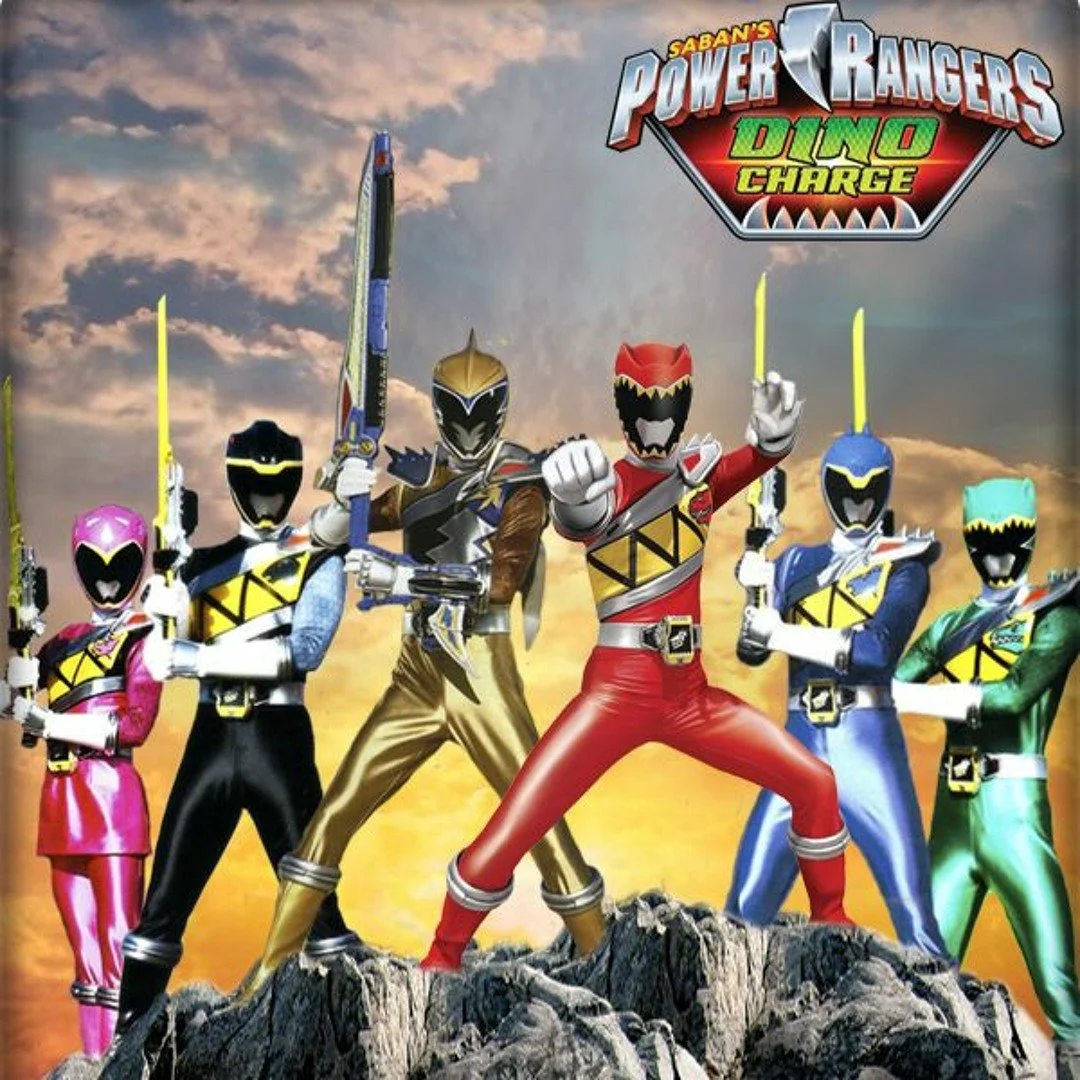
EDITED TO ADD: Holy crap. I didn’t think they would top it the very first episode of the next season. By several orders of magnitude. Dino Charge is ludicrously overstuffed with plastic doodads. Wow.
I have learned my lesson. The Power Rangers are without limits, and it was my foolish mortal mistake to ever think otherwise.
If you’re in the mood to read about more teen superheroes, check out the short story “The Legend of Danny Thunder.”