Beginner’s Bond: Skyfall
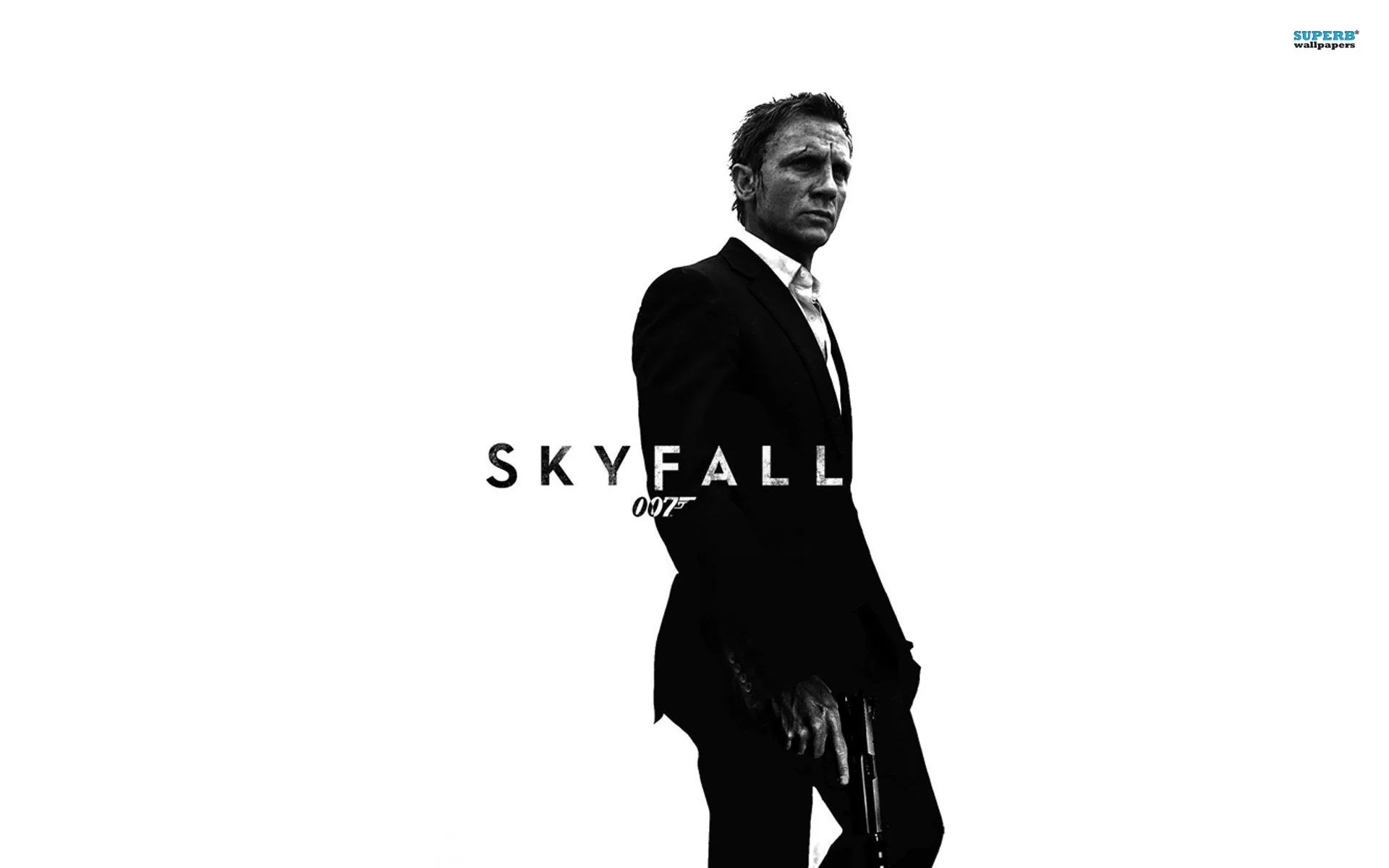
“Beginner’s Bond” is a series about closing the largest blindspot in my personal cinematic knowledge: the James Bond franchise. To that end, I am watching all of the Bond movies in order (mostly) for the very first time, and writing down my honest reactions here. On the last episode we barely had time to catch our breath as 2008’s Quantum of Solace rocketed through its tight 106 minutes. Skyfall has swollen back up to a two-and-a-half hour runtime, but it just bloat, or all killer and no filler? Let’s find out.
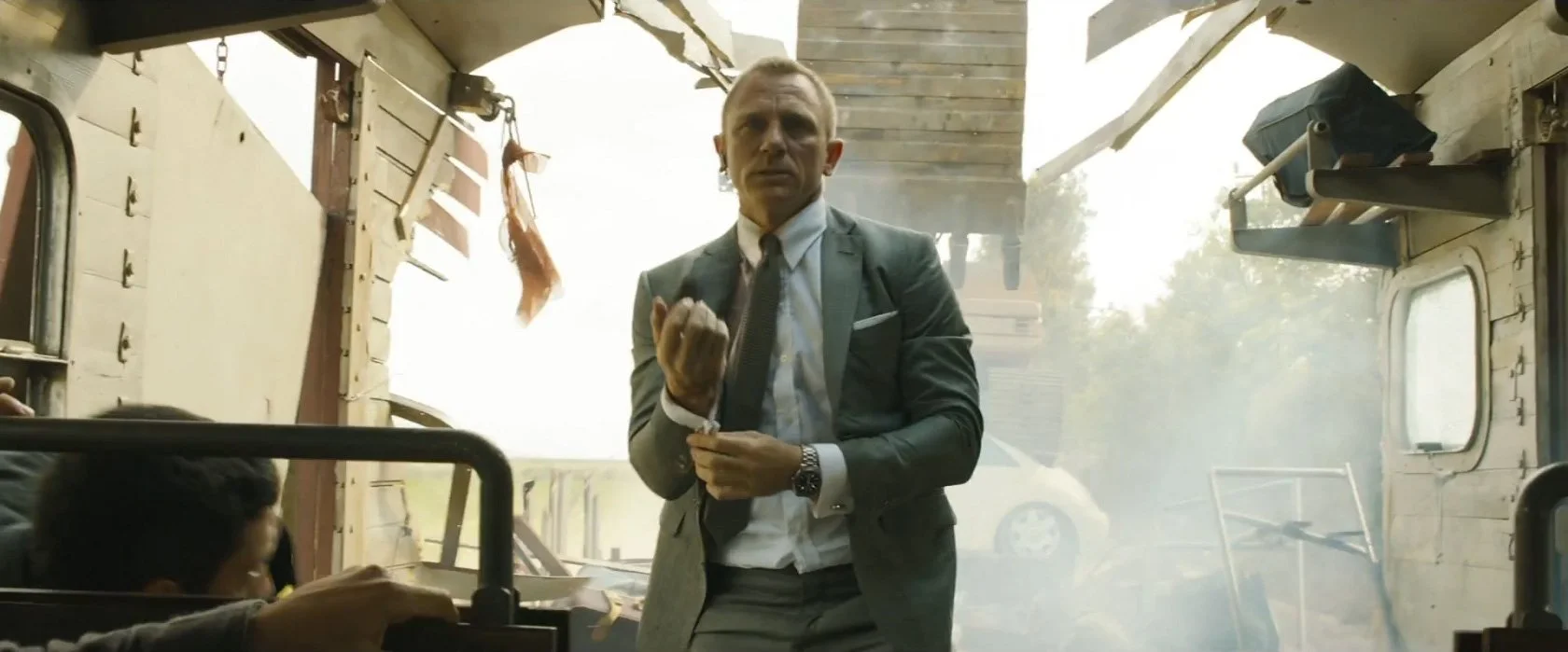
Once again, making Daniel Craig three for three, the movie opens with James Bond engaging in a reckless pursuit through an incredibly dangerous environment—this time it’s a train. He’s chasing down Patrice, a mercenary who has stolen a hard drive that contains the identities of undercover agents all over the world. As Bond and Patrice engage in fisticuffs atop a moving a speeding train, fellow agent Eve is ordered by M to shoot. Unfortunately, she misses and hits Bond, who falls into a river. He is presumed KIA and Patrice escapes with the hard drive. Cue title sequence, featuring impressionistic animations of Bond drowning while surrounded by the silhouettes of sexy ladies, and a banger of a theme from Adele.
Of course James Bond survived. But he used his death as an excuse to take a vacation and try to drink all the liquor on whatever tropical shore he washed up on. That is, until he sees news of a terrorist attack on the MI6 building in London and decides he must return to duty. Despite failing every test, M returns Bond to active duty and sends him to Shanghai to recover the drive and eliminate the thief. Since he accidentally kills Patrice before getting the name of his employer, Bond resorts to making a scene at a casino in Macau until the bad guys show up to capture him. That choice is going to turn out to be quite ironic by the end of the movie.
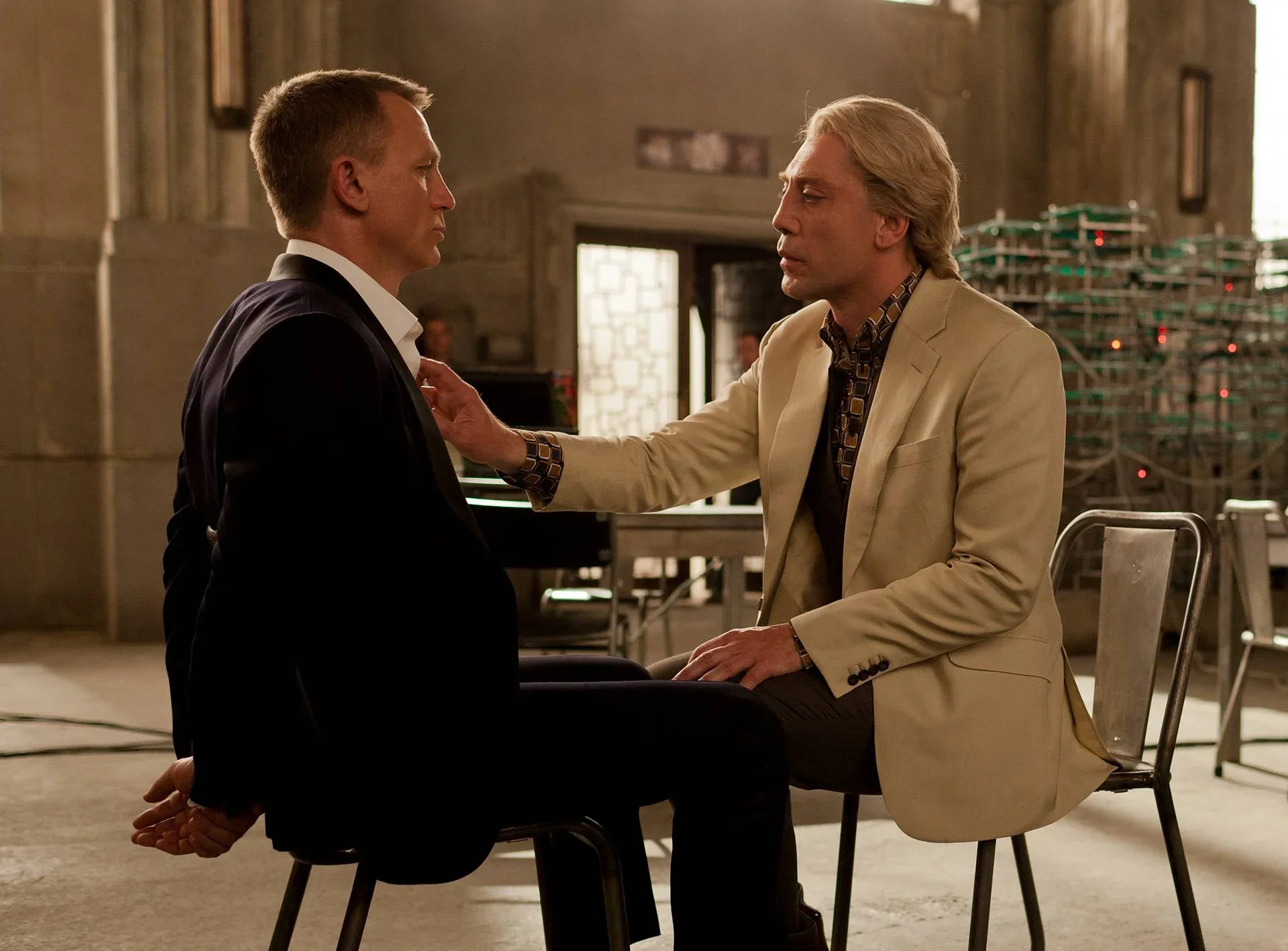
On a creepy abandoned island, Bond is introduced to our villain and the highlight of this film: Raoul Silva, played masterfully by Javier Bardem. His introductory monologue reveals that he is a former 00 agent who went rogue after being disavowed by the British government. Now he orchestrates cyberterrorism for hire. He’s basically an evil version of 007. Although Bond is able to turn the tables and capture Silva, it turns out being taken prisoner was part of his dastardly plan to get close enough to kill M. Silva has been holding a grudge since he was betrayed and left to die in a Chinese prison. Fortunately for him, Q was stupid enough to plug a computer recovered from a hostile agent directly into the MI6 network with no sandboxing or safety measures of any kind. It is disappointing to realize that Silva’s entire plan hinges on Q being completely unqualified for his job, and he’s proven right. However, Bond manages to thwart the initial assassination and its backup plan before going to ground at his old childhood home in the Scottish Highlands—Skyfall.
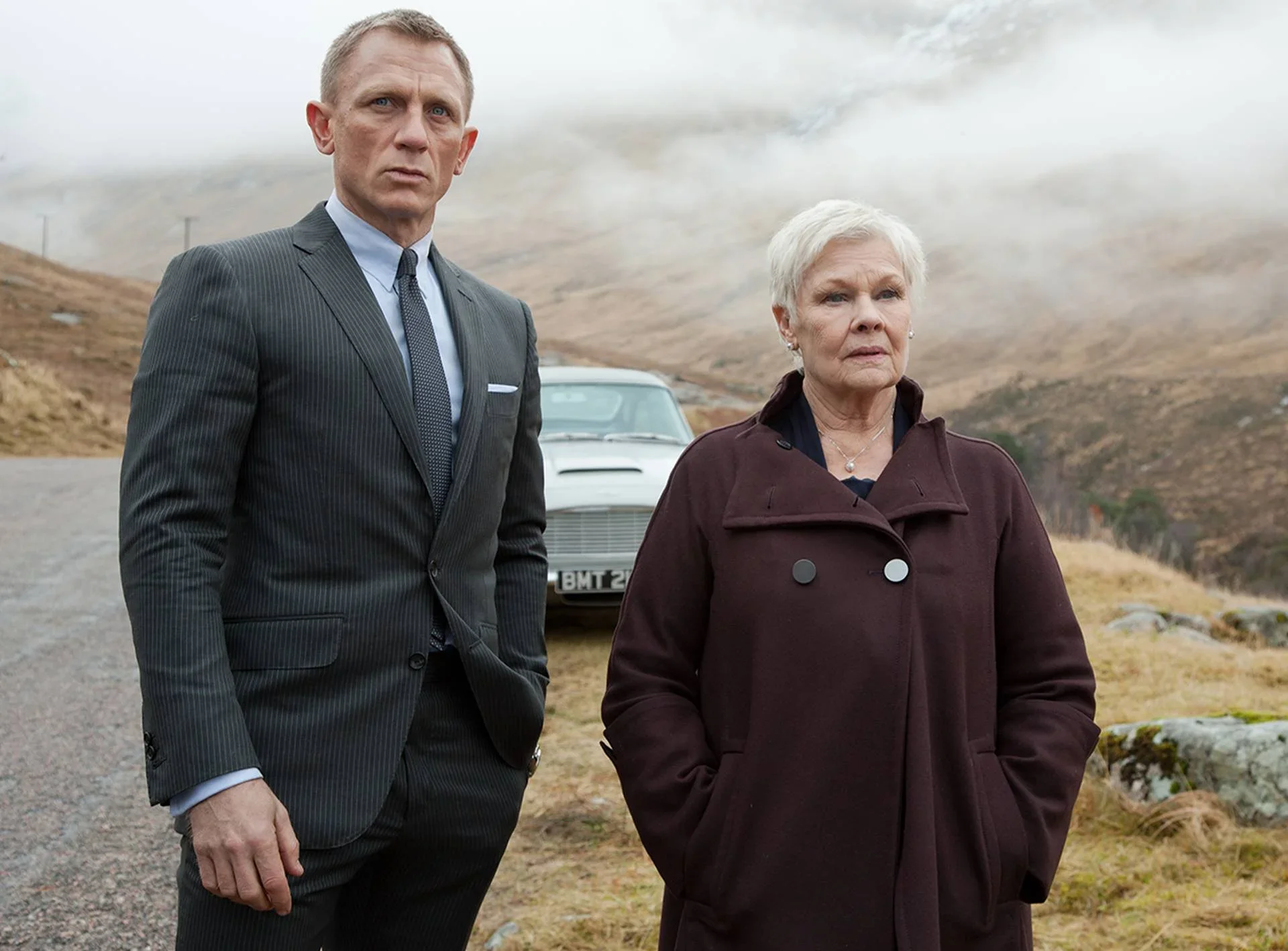
This reveal kind of breaks this version of James Bond for me. The previous films always made it seem like young James was an orphan who came from nothing and had a huge chip on his shoulder about it. The few times Bond’s pre-MI6 past is mentioned, it sounds as if he was basically rescued from the streets by a government that saw him as a potentially useful tool. But according to Skyfall, that’s not really true. Yes, James was orphaned when his parents died by undisclosed means, but he wasn’t left with nothing. Andrew and Monique Bond owned a large estate in Scotland, with its own live-in caretaker and a named manor house—the titular Skyfall. If your house has its own name, you’re definitely no peasant. The movie leaves a lot of blank space to be filled by the imagination, but it does explicitly show us that James Bond is not some starving street urchin forged into the ultimate secret agent man like the previous films led us to believe. Bond came from money and what used to be called “good breeding.” The tuxedo is not the ill-fitting costume Vesper Lynd claimed it to be in Casino Royale—this Bond was always a gentleman.
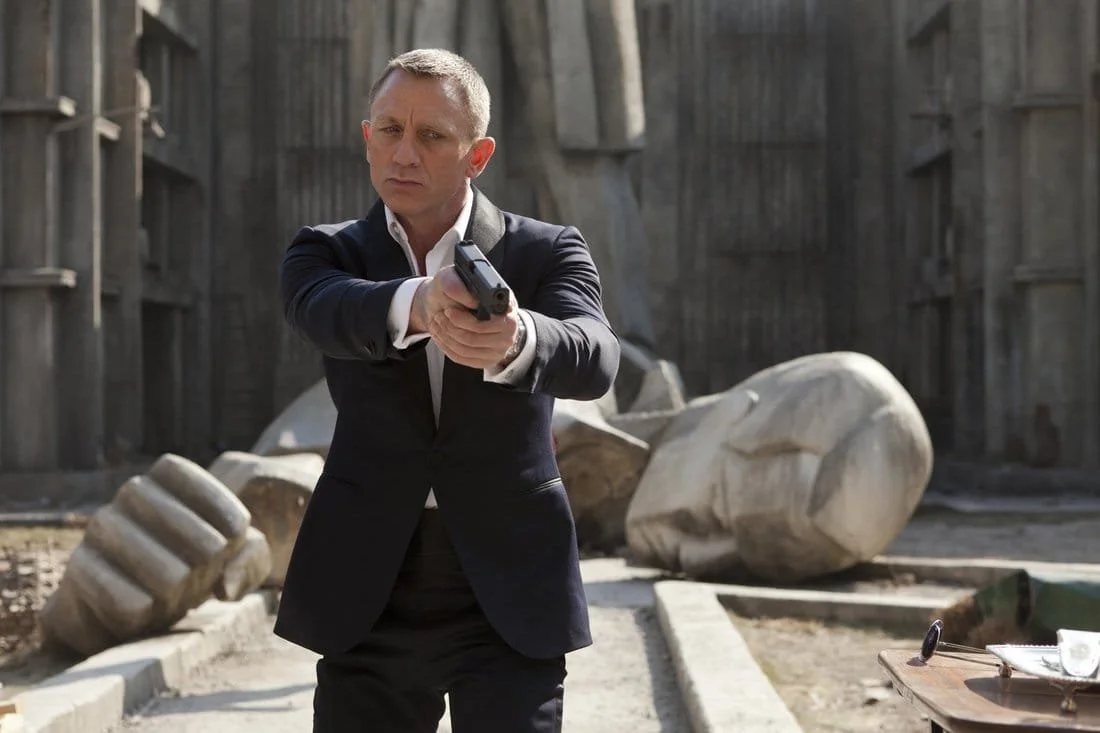
While it is interesting that Skyfall reveals more about Bond’s past than any of the previous 22 films, the amount of real information is still frustratingly small. Practically nothing beyond the mere fact that his childhood home was still standing, and that he was very sad after his parents died. It’s also rather disappointing that the title is nothing more than the name of the house—it has no greater thematic significance. We don’t even learn why it is called Skyfall before it gets blown to smithereens. A massive missed opportunity, especially since this movie marketed itself on the promise of shining a light on 007’s past. It may be technically true, but it’s not really honest.
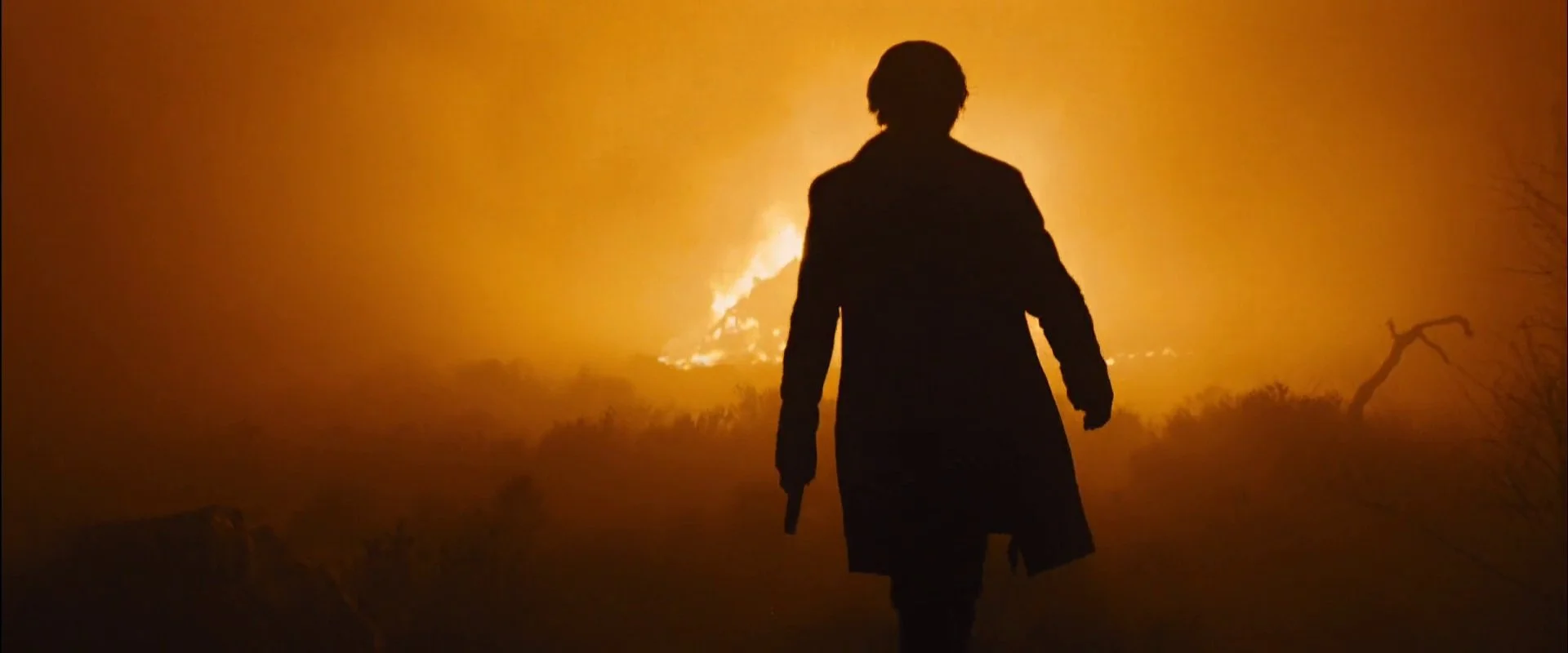
Skyfall is also the third movie to attempt and fail a subplot about James Bond being injured. Despite his abysmal scores on the physical, medical and psychological tests, being unfit for duty provides almost no meaningful impediment to Bond. There are a few scenes where the pain almost causes him to lose his grip, but in a movie, something “almost” happening is the same as it not happening at all. His inability to shoot straight never comes into play except when Silva forces him to shoot a shot glass full of whiskey from fifty paces with an antique flintlock pistol, a feat that would test the skills of the world’s greatest marksman under the most ideal circumstances. Even 007 in his prime would most likely miss that one. If the audience is meant to believe that Bond is not what he used to be, that he has in fact “lost a step,” don’t use failing at an impossible task as the narrative proof. The moment falls completely flat.
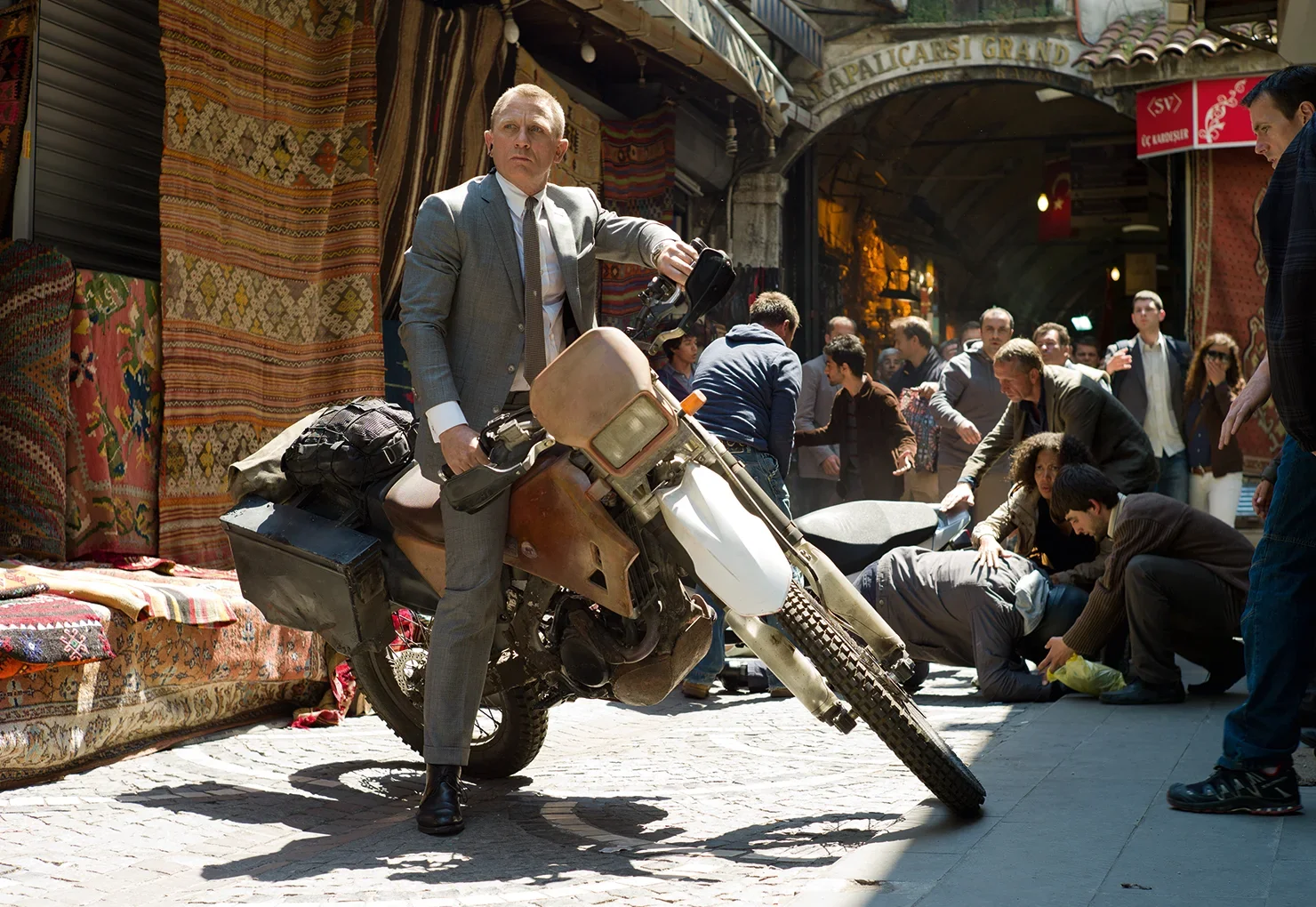
When I started writing this post, I felt Skyfall was pretty good aside from some minor flaws, but after seeing my thoughts written out, I’m not really sure that’s the case anymore. It was fun to see James Bond matching wits with his evil counterpart/predecessor, and the story of betrayal and vengeance woven between Silva and M is a fascinating bit of drama. But ultimately, Skyfall failed to deliver on its biggest promise. We spend almost half an hour in James’ childhood home and learn practically nothing about him. That needless frustration casts its shadow over the rest of the film, because it’s the last thing you see before the credits roll and wonder: is that it? Not a good sentiment to inspire in an audience.
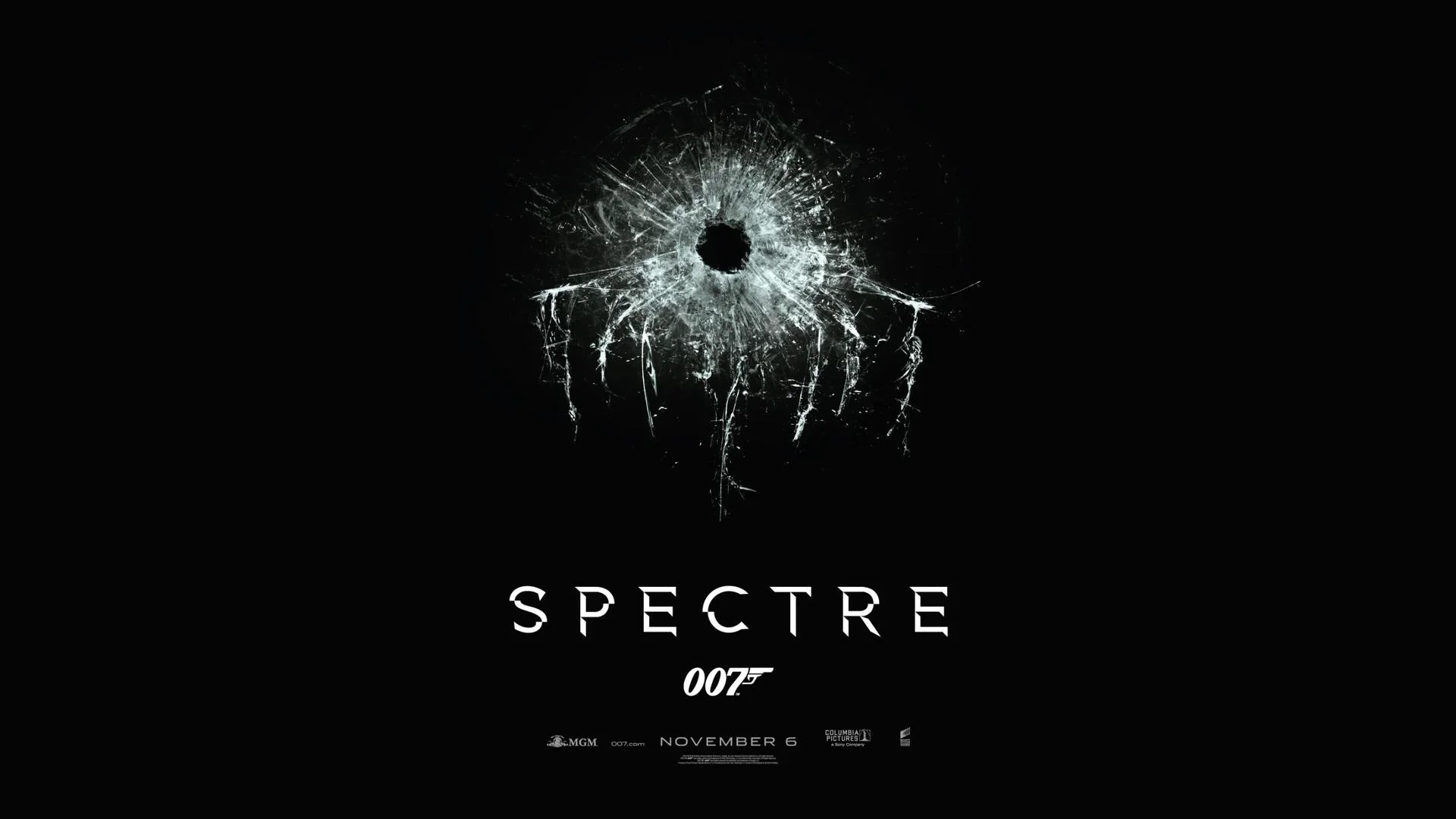
Skyfall isn’t a terrible movie, but it is hobbled by the huge unforced error that is its third act. Let’s hope 2015’s Spectre learns from its predecessor’s mistakes.
In the mood for another tale of a hero physically grappling with his past? Read my novella El Mescaleros.